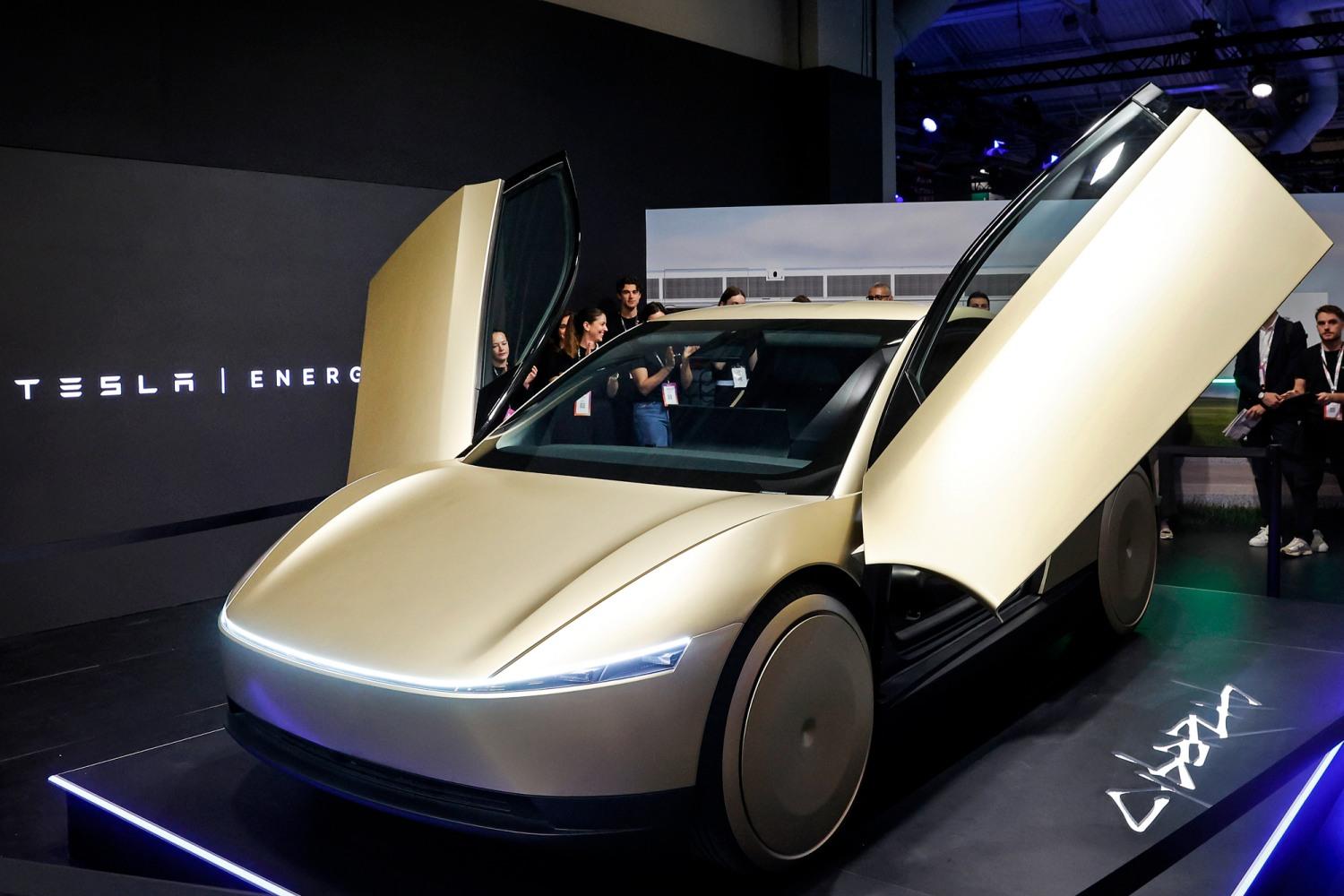
Tesla’s ambitious vision for a robotaxi fleet has hit a snag, as the reality on the ground reveals a mix of human drivers behind the wheel, a lack of regulatory permits, and growing confusion among authorities. Despite bold claims of fully autonomous ride-hailing, Tesla’s rollout in various markets faces significant challenges that raise questions about the readiness of their technology and the regulatory frameworks surrounding self-driving cars. This report delves into the current state of Tesla’s robotaxi program, highlighting the practical hurdles and regulatory uncertainties that are complicating the company’s path to a driverless future.
Tesla robotaxi progress meets roadblocks with lack of licensed human drivers
Tesla’s ambitious robotaxi project has encountered significant hurdles as the company grapples with a shortage of licensed human drivers required to oversee and manage its autonomous fleet. Despite widespread anticipation and groundbreaking promises, regulatory complexities have thrown a wrench in Tesla’s timeline for deploying fully autonomous ride-hailing services. State authorities remain cautious, demanding that Tesla maintain a human safety driver behind the wheel until the company secures all necessary permits. The scarcity of approved personnel with specialized licensing essential for supervised deployment is stalling operational progress in multiple key markets.
Key obstacles currently include:
- Stringent state-by-state regulatory approvals that are uneven and slow-moving
- A growing shortage of drivers meeting the criteria for supervising autonomous vehicles
- Uncertainties around liability and insurance complicating licensing processes
- Operational challenges in balancing human oversight with automation ambitions
| Challenge | Impact | Current Status |
|---|---|---|
| Driver Licensing | Delays deployment in major cities | Limited licensed drivers available |
| Regulatory Approval | Restricts full autonomy rollout | Ongoing negotiations with state agencies |
| Insurance & Liability | Raises financial risk concerns | Under review by legal teams |
As Tesla continues to push the envelope of autonomous driving technology, these human-centered constraints highlight a critical phase where innovation meets real-world legal and workforce challenges. Analysts suggest that unless Tesla can streamline the regulatory pathway and expand its pool of certified drivers, the vision of a fully robotic and license-free taxi service remains years away from mainstream reality.
Regulatory gaps hinder Tesla’s autonomous taxi deployment across multiple states
Despite Tesla’s aggressive push toward fully autonomous robotaxi services, the rollout has been stymied by a complex web of state-by-state regulatory inconsistencies that leave many questions unanswered. While Tesla’s vehicles boast cutting-edge self-driving capabilities, the absence of uniform permits has forced the company to rely heavily on human drivers to comply with existing laws. This reliance not only slows the deployment pace but also undermines the autonomy Tesla champions, creating a patchwork of limitations across the country.
The regulatory landscape is further complicated by differing safety standards, insurance requirements, and liability laws. States like California and Nevada have embraced pilot testing programs for autonomous vehicles, while others maintain stringent restrictions or outright bans on commercial robotaxis. The result is an opaque framework that confuses manufacturers, drivers, and consumers alike, ultimately delaying mass adoption and innovative service models in the autonomous ride-hailing sector.
- Varied permit requirements: Some states demand explicit autonomous vehicle licenses, others do not.
- Insurance hurdles: Inconsistent coverage mandates cloud liability clarity.
- Operational restrictions: Limits on where and when robotaxis can operate hinder scalability.
| State | Robotaxi Permit Status | Autonomy Operations Allowed |
|---|---|---|
| California | Pending | Limited pilot programs |
| Nevada | Granted | Commercial testing allowed |
| Texas | Not available | Prohibited |
| Florida | Under review | Limited operational zones |
Safety concerns rise amid unclear permit requirements for robotaxi operations
Amid Tesla’s ambitious push towards a fully autonomous robotaxi service, confusion lingers over the current regulatory landscape and the associated safety protocols. Industry experts and local authorities express alarm as Tesla vehicles continue to operate with human drivers behind the wheel, raising questions about the actual readiness and safety assurances of this technology on public roads. The lack of clear, standardized permits for robotaxi operations exacerbates these concerns, potentially leaving both passengers and other road users at risk.
Key issues highlighted by safety advocates include:
- Ambiguity in regulatory frameworks: No unified guidelines exist to govern the deployment of robotaxis, leading to inconsistent enforcement across jurisdictions.
- Human oversight: Despite autonomous claims, Tesla’s robotaxis still rely heavily on human intervention for critical decision-making.
- Transparency deficits: The specifics of testing protocols, incident reporting, and operational readiness remain largely undisclosed.
| Concern | Potential Risk | Status |
|---|---|---|
| Permit clarity | Unauthorized operations | Unclear |
| Driver involvement | Human error | Active |
| Safety data transparency | Public trust | Limited |
Experts call for standardized federal guidelines to streamline Tesla robotaxi rollout
Industry authorities urge the federal government to establish clear, uniform regulations to cut through the current patchwork of state laws hindering Tesla’s ambitious robotaxi initiative. Experts warn that without a centralized framework, Tesla faces significant delays due to varied permitting processes and inconsistent safety standards across the country. This regulatory maze complicates not only the introduction of fully autonomous Tesla robotaxis but also the necessary transition from human drivers to self-driving vehicles on U.S. roads.
Key challenges highlighted include:
- Lack of a nationwide vehicle certification protocol for autonomous ridesharing.
- Disparate state requirements causing operational uncertainty.
- Insufficient clarity on liability and insurance responsibilities.
- Delays in obtaining commercial licenses necessary for driverless taxi deployment.
| Regulatory Factor | Current Status | Impact on Tesla Robotaxi |
|---|---|---|
| Federal Safety Standard | Absent | Inconsistent compliance; road safety concerns |
| Commercial Permits | Fragmented state-based issuance | Rolling out limited pilot programs only |
| Liability Laws | Undefined for autonomous operations | Hinders insurance coverage and risk management |
In Conclusion
As Tesla continues to push the boundaries of autonomous vehicle technology, the path to a fully operational robotaxi service remains clouded by regulatory hurdles, safety concerns, and technological challenges. Despite ambitious promises, human drivers still play a critical role, and crucial permits are yet to be secured in many jurisdictions. The unfolding reality underscores the complexity of deploying self-driving fleets on public roads, highlighting the need for clearer guidelines and rigorous oversight. As the situation evolves, stakeholders and consumers alike will be watching closely to see if Tesla can navigate the regulatory maze and deliver on its robotaxi vision.