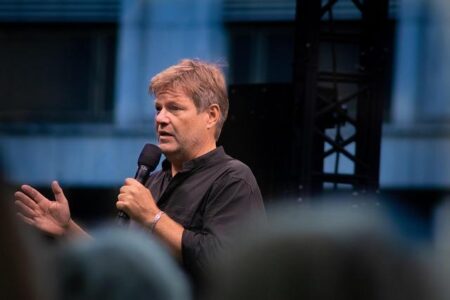
The American left is coalescing around a new leader, signaling a shift in priorities and strategy ahead of upcoming elections. Key figures and grassroots groups weigh in on who will carry the progressive torch forward.
The American left is coalescing around a new leader, signaling a shift in priorities and strategy ahead of upcoming elections. Key figures and grassroots groups weigh in on who will carry the progressive torch forward.
California’s Prop. 4 aims to curb the influence of money in politics by tightening disclosure rules and limiting contributions. Experts debate whether the measure will meaningfully reduce big donors’ sway in elections.
Tuesday’s election marks a crucial move to address San Francisco’s pressing issues. Voters will decide on key measures aimed at improving public safety, housing, and city services, signaling a potential turning point for the city’s future.
San Francisco voters weighed in on key ballot measures in the latest election, addressing housing, public safety, and environmental policies. Early results indicate tight races with several measures passing by narrow margins.
In a closely watched House race, Wiener appears to hold a slight advantage over Chan, according to the latest San Francisco Examiner poll. The contest remains competitive as both candidates ramp up their campaigns.
San Francisco has appointed its first noncitizen to the Elections Commission, marking a historic step in inclusive governance. The move reflects growing efforts to involve diverse voices in electoral oversight.
Scott Wiener and Connie Chan are battling to represent San Francisco in Congress, highlighting key issues from housing to tech regulation. The race reflects the city’s evolving political landscape. More on KQED.
The National Park Service highlights the 1906 earthquake relief efforts, showcasing community resilience and federal response. Historic archives reveal coordinated aid that shaped modern disaster management.
In one of California’s staunchest Trump strongholds, a surprising backlash is emerging. Residents and local leaders are increasingly pushing back against MAGA rhetoric, signaling shifting political tides in the traditionally red county.
San Francisco expands government aid to families earning up to $325K annually, aiming to address housing and living costs amid rising economic challenges. The move broadens eligibility for vital support programs.
San Francisco proposes a groundbreaking reparations plan, allocating $5 million for eligible Black residents. The initiative aims to address historic racial injustices and promote economic equity in the city.
In San Francisco, a family earning $325,000 annually can qualify for government aid due to the city’s high cost of living, highlighting growing income challenges and widening economic disparities.
A staffer for San Francisco Assemblymember Matt Haney was detained Wednesday morning by federal immigration authorities. The incident has raised concerns among local officials and advocates.
San Francisco has filed lawsuits against major food companies, alleging misleading marketing of ultra-processed products linked to health risks. The city seeks stricter regulations to protect consumers.
San Francisco politicians, while vocal champions of civil liberties, have backed a police raid on a journalist’s home. The move has sparked debate over press freedom and government overreach.
San Francisco is funding a controversial program that provides vodka shots to homeless alcoholics using taxpayer money. The initiative aims to reduce public intoxication and health risks, sparking debate across the city.
San Francisco Mayor London Breed, a passionate soccer fan, is leveraging the World Cup excitement to boost local enthusiasm for the sport. Her support highlights soccer’s growing influence in the city’s vibrant sports culture.
PBS unveils “Numbed with Fear: Chinese Americans and McCarthyism,” exploring the impact of 1950s anti-communist hysteria on Chinese American communities, highlighting stories of suspicion, resistance, and resilience.
A new ABC7 Bay Area poll reveals 45% of US voters now identify as independents, signaling a significant shift away from traditional Democratic and Republican affiliations. This trend could reshape future elections.
In a rare bipartisan move, Gov. Gavin Newsom and former President Donald Trump have agreed on a unified plan to address AI challenges ahead of the pivotal 2028 election, dubbed the “AI election,” the San Francisco Chronicle reports.