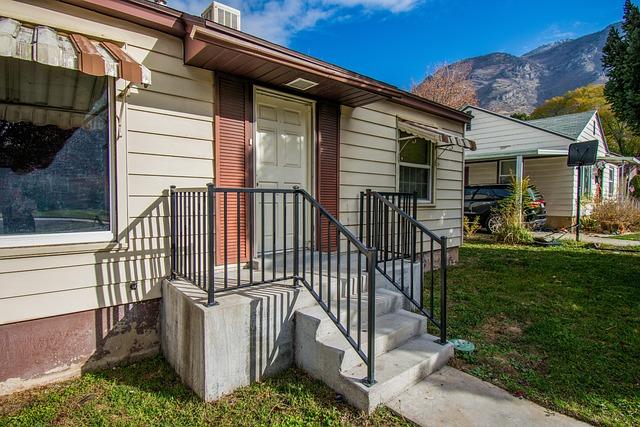
Navigating the US Housing Market: Where to Buy and When Renting Makes Sense
Affordable US Cities Ideal for Homebuyers
For those looking to purchase a home without breaking the bank, several US cities stand out by offering affordable housing paired with vibrant local economies and improving community infrastructure. Cities such as Cleveland, Pittsburgh, and Buffalo provide attractive entry points for first-time buyers and investors due to their below-average median home prices and ongoing urban renewal projects. These locations combine economic resilience with quality of life enhancements, making them appealing for long-term residents.
Highlights of these markets include:
- Cleveland, Ohio: Known for its low property taxes, affordable housing stock, and expanding job market, especially in healthcare and manufacturing.
- Pittsburgh, Pennsylvania: A city with a steady housing market buoyed by technology and healthcare industries, alongside rich cultural offerings.
- Buffalo, New York: Benefiting from revitalization efforts that have lowered home prices and enhanced livability.
| City | Median Home Price | Annual Job Growth | Average Property Tax Rate |
|---|---|---|---|
| Cleveland, OH | $115,000 | 1.8% | 1.95% |
| Pittsburgh, PA | $140,000 | 2.1% | 2.10% |
| Buffalo, NY | $130,000 | 1.5% | 2.22% |
US Cities Where Renting Outweighs Buying
In contrast, several major metropolitan areas present conditions where renting is often the more financially sound choice. Cities like San Francisco, New York, and Los Angeles have housing markets characterized by exorbitant home prices, high property taxes, and unpredictable market fluctuations. These factors, combined with a dynamic population that values mobility, make renting a practical alternative to homeownership.
Renting in these urban centers offers several advantages:
- Lower Initial Expenses: Avoiding large down payments and closing costs.
- Greater Mobility: Easier relocation options for career or lifestyle changes.
- Reduced Maintenance Burden: Landlords typically handle repairs and upkeep.
- Protection from Market Swings: Less exposure to housing market volatility.
| City | Average Monthly Rent | Median Home Price | Rent vs. Buy Score* |
|---|---|---|---|
| San Francisco, CA | $3,500 | $1.3M | 3.8 (Rent) |
| New York City, NY | $3,100 | $960K | 4.1 (Rent) |
| Los Angeles, CA | $2,700 | $850K | 3.9 (Rent) |
| Seattle, WA | $2,400 | $720K | 3.7 (Rent) |
| Boston, MA | $2,800 | $780K | 4.0 (Rent) |
*Rent vs. Buy Score indicates the relative advantage of renting; lower scores favor renting.
Economic and Lifestyle Influences on Housing Choices
Deciding whether to purchase or rent a home hinges on a variety of economic and personal lifestyle factors. Key economic indicators such as median income levels, employment stability, property tax burdens, and mortgage interest rates significantly impact housing affordability and investment potential. Cities with growing wages and low unemployment rates tend to foster environments conducive to homeownership. Conversely, areas with unstable job markets or steep property taxes often push residents toward renting.
Lifestyle preferences also play a pivotal role. Access to efficient public transit, reputable schools, healthcare services, and cultural amenities can sway decisions toward buying, especially in family-oriented communities. In contrast, fast-paced urban centers with transient populations often see higher rental demand due to the flexibility it affords. Important lifestyle considerations include:
- Commute duration and availability of transportation options
- Neighborhood safety and community involvement
- Proximity to parks, recreational facilities, and educational institutions
- Access to cultural, social, and entertainment venues
Professional Advice for Choosing Between Buying and Renting
In competitive real estate markets, making an informed choice between purchasing and renting requires a comprehensive evaluation beyond just price comparisons. Prospective buyers should factor in long-term financial commitments such as property taxes, upkeep, and potential appreciation. Renters benefit from lower upfront costs and flexibility but may miss out on building equity. Experts recommend considering your career plans, lifestyle priorities, and local market trends before making a decision.
- Evaluate Your Stay Duration: Renting is often preferable if you anticipate relocating within five years.
- Account for All Expenses: Include hidden costs like homeowners association fees, insurance, and maintenance when comparing options.
- Monitor Market Signals: Pay attention to interest rate changes and housing inventory levels that could influence affordability.
Final Thoughts
As the US housing market continues to fluctuate, understanding the nuances of where to buy versus where to rent is essential for making sound real estate decisions. This overview highlights cities that offer promising opportunities for homeownership alongside those where renting remains the financially wiser choice. By staying informed about affordability, market stability, and lifestyle factors, individuals can align their housing decisions with their financial goals and personal needs in an ever-changing environment.