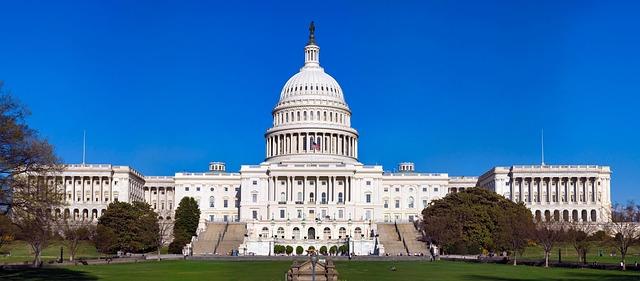
Nancy Pelosi Steps Down: A Defining Moment in American Political History
Nancy Pelosi, a monumental presence in U.S. politics and the first woman to hold the Speaker of the House position, has declared her retirement from Congress after an extraordinary career exceeding 40 years. Her departure signals a profound shift within the Democratic Party and the broader political arena in Washington, D.C. Pelosi’s tenure was marked by her strategic leadership during some of the nation’s most critical legislative battles, including the enactment of the Affordable Care Act and steering economic recovery efforts post-2008 recession.
Beyond her legislative achievements, Pelosi’s influence extended to mentoring emerging political leaders and setting enduring standards for congressional leadership. Key milestones from her career include:
- Trailblazing as the first female Speaker of the House (2007-2011, 2019-2023)
- Holding the record as the longest-serving House Democratic leader
- Playing a central role in the passage of the 2010 Affordable Care Act
- Leading impeachment proceedings against two U.S. presidents
| Year | Significant Event |
|---|---|
| 1987 | First elected to the U.S. House of Representatives |
| 2007 | Became the first female Speaker of the House |
| 2010 | Helped pass the Affordable Care Act |
| 2022 | Directed Congressional responses to multiple national crises |
| 2024 | Announced retirement from Congress |
Evaluating Pelosi’s Political Legacy and Strategic Influence on the Democrats
Pelosi’s extensive career fundamentally transformed legislative processes and shaped the Democratic Party’s strategic framework. Her leadership was instrumental in passing landmark laws such as the Affordable Care Act, the Dodd-Frank financial regulations, and the comprehensive COVID-19 relief packages. Pelosi’s ability to forge bipartisan agreements in a polarized Congress underscored her pragmatic yet progressive approach, enabling the party to secure critical policy wins despite intense opposition.
Her influence extended beyond legislation to party dynamics, where she cultivated a disciplined caucus, tightly managed the legislative calendar, and nurtured future Democratic leaders. Pelosi’s tactical acumen was evident in her navigation of midterm elections, balancing assertive policy pushes with strategic compromises to maintain party strength. Key facets of her leadership include:
- Centralized Leadership: Efficiently coordinated party messaging and legislative priorities
- Coalition Management: Unified diverse Democratic factions to sustain party cohesion
- Electoral Strategy: Focused resources on pivotal races to preserve House control
- Media Engagement: Skillfully shaped public discourse around legislative initiatives
| Year | Legislative Milestone | Strategic Impact |
|---|---|---|
| 2010 | Affordable Care Act | Established healthcare reform as a Democratic hallmark |
| 2010 | Dodd-Frank Act | Enhanced financial sector oversight post-recession |
| 2020 | CARES Act | Demonstrated swift legislative response to the pandemic |
Political Reactions and the Shifting Power Dynamics in Congress
Leaders from both parties have responded swiftly to Pelosi’s retirement announcement. Democratic officials expressed deep respect for her decades of service while acknowledging the challenges her absence presents. Senate Majority Leader Chuck Schumer praised Pelosi’s strategic leadership and warned that her exit could alter the legislative trajectory. Conversely, Republican leaders viewed this as an opportunity to exploit potential divisions within the Democratic caucus and intensify efforts to regain control of the House.
This transition introduces new complexities to congressional power balances. Political analysts anticipate a competitive contest for Pelosi’s leadership roles, with significant implications for legislative productivity and party unity. The table below outlines some expected outcomes:
| Consequence | Likely Result |
|---|---|
| Democratic leadership succession | Potential for increased factional disputes and policy shifts |
| Control of the House | Republicans intensify efforts to flip key districts |
| Legislative momentum | Possible delays as new leadership establishes direction |
| Midterm election tactics | Democrats adjust messaging to unify and mobilize voters |
Implications of Pelosi’s Retirement for Midterms and Future Democratic Leadership
Pelosi’s departure represents a pivotal juncture for the Democratic Party as it prepares for the upcoming midterm elections. Her absence creates a leadership void that will likely prompt a strategic overhaul. Emerging Democratic figures face the challenge of uniting the party’s progressive and moderate wings while energizing voters in competitive districts. This shift may also lead to a recalibration of campaign themes, emphasizing issues that resonate with younger and more diverse electorates, such as climate action, social justice, and economic reform.
The race to succeed Pelosi is already shaping up, with several prominent Democrats positioned as potential leaders. The party will need to balance experience, ideological diversity, and regional representation in selecting new leadership. Below is an overview of key contenders and the hurdles they face:
- Fostering Unity: Bridging gaps between progressive activists and centrist lawmakers
- Electoral Strategy: Developing compelling narratives to counter Republican advances and boost turnout
- Policy Priorities: Emphasizing climate change, healthcare accessibility, and economic equity
| Prospective Leader | Background | Strengths | Challenges |
|---|---|---|---|
| Steny Hoyer | Veteran House Leader | Deep institutional expertise | Concerns about generational transition |
| Hakeem Jeffries | Chair of the House Democratic Caucus | Strong appeal among progressives | Needs to broaden coalition support |
| Karen Bass | Experienced legislator and advocate | Noted for social justice leadership | Lower national profile |
Conclusion: Pelosi’s Retirement and the Future of Congressional Leadership
Nancy Pelosi’s retirement marks the close of a significant chapter in American politics. Her four-decade-long career has profoundly influenced the U.S. Congress and the Democratic Party’s evolution. As she steps away, the political world anticipates substantial shifts in leadership and legislative priorities. The coming months will be critical as new leaders emerge to fill the void left by one of Washington’s most formidable and strategic figures.