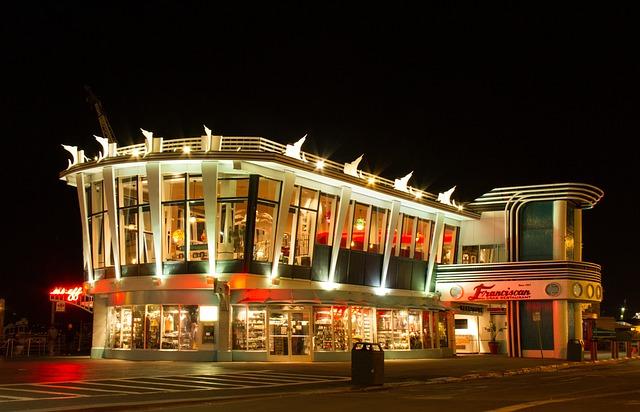
Fisherman’s Wharf Popup Ignites Global Trademark Conflict
What began as a modest popup market near San Francisco’s famed waterfront has unexpectedly escalated into a complex international trademark dispute. Central to the controversy is the contested use of the “Fisherman’s Wharf” name—a brand that local merchants and community organizations assert as their long-established trademark, integral to the area’s identity and tourism appeal. The popup, launched by an entrepreneur from abroad, prominently incorporated the name into its branding, prompting allegations of trademark infringement and brand dilution. Legal analysts warn this case could redefine how geographic names are protected and commercialized across international boundaries.
The dispute revolves around several critical issues:
- Trademark entitlement: Determining the rightful owner of the Fisherman’s Wharf designation.
- Geographical naming rights: Challenges in safeguarding place-based names from unauthorized commercial use.
- Cross-border legal authority: Application and enforcement of U.S. trademark laws on foreign businesses.
These factors have fueled a drawn-out legal confrontation with significant implications for both local enterprises and international operators. Below is a breakdown of the main parties and their stances:
| Party | Perspective | Claims |
|---|---|---|
| Local Fisherman’s Wharf Merchants | Protective | Exclusive rights to the name; safeguarding brand integrity |
| Foreign Popup Organizer | Assertive | Right to use widely recognized geographic terms for business promotion |
| Municipal Authorities | Neutral Facilitator | Balancing tourism interests with legal frameworks |
Global Intellectual Property Claims Challenge Local Entrepreneurs
The legal turmoil triggered by the Fisherman’s Wharf popup has reverberated well beyond San Francisco’s borders. Initially a family-run seafood venture, the popup soon attracted claims from international parties asserting ownership over certain proprietary recipes and branding elements featured at the market. These overseas groups argue that the culinary creations and marketing draw heavily from their cultural heritage, complicating the dispute by intertwining local business innovation with international intellectual property rights.
Local entrepreneurs voice apprehension about the precedent this case might establish, fearing it could impose stricter limitations on startups that rely on shared cultural traditions. Their concerns include:
- Heightened legal exposure for small businesses using traditional or communal recipes.
- Obstacles to creative exchange within the culinary and retail industries.
- Escalating defense costs when navigating multinational legal frameworks.
| Entity | Core Assertion | Business Consequences |
|---|---|---|
| International Seafood Consortium | Ownership of recipes and branding | Possible licensing fees and usage restrictions |
| Local Popup Proprietor | Defense of tradition and innovation | Risk of shutdown and damage to reputation |
| San Francisco Business Association | Advocacy for community interests | Calls for equitable legal reforms |
Economic Repercussions for San Francisco’s Tourism Sector
San Francisco’s tourism economy, heavily reliant on the bustling Fisherman’s Wharf district, has historically thrived on the vitality of local vendors attracting millions of visitors each year. The sudden rise of a popup embroiled in an international legal dispute has unsettled this ecosystem, impacting more than just visitor numbers. Small-scale retailers and tour operators dependent on consistent tourist flows have reported immediate concerns, citing increased security protocols and restricted access as deterrents. This has sparked fears of lasting harm to the neighborhood’s reputation as a welcoming, family-friendly destination.
Economic experts highlight that the fallout extends beyond direct tourist spending, revealing vulnerabilities in the broader tourism supply chain:
- Drop in souvenir sales: Several local gift shops experienced a 15% revenue decline month-over-month amid the dispute.
- Decrease in tour bookings: Operators reported approximately 12% cancellations linked to uncertainty surrounding the popup’s status.
- Hospitality sector impact: Hotels noted an 8% reduction in occupancy compared to the previous year.
| Industry Segment | Revenue Before Dispute | Current Revenue | Change (%) |
|---|---|---|---|
| Retail | $850,000 | $722,500 | -15% |
| Tourism Services | $430,000 | $378,400 | -12% |
| Hospitality | $1,200,000 | $1,104,000 | -8% |
Approaches to Settling International Commercial Disputes
Resolving conflicts that span multiple countries requires a structured approach to avoid protracted litigation and excessive costs. Early adoption of alternative dispute resolution (ADR) techniques—such as mediation or arbitration—can expedite settlements, particularly in multifaceted commercial disagreements like the Fisherman’s Wharf case. Incorporating arbitration clauses in contracts that specify governing laws and jurisdictions helps prevent jurisdictional conflicts and centralizes dispute resolution in agreed-upon forums.
Successfully navigating cross-border disputes also demands cultural awareness and comprehensive legal research. Familiarity with differing legal frameworks and business practices reduces misunderstandings and promotes cooperative resolutions. Recommended strategies include:
- Engaging specialized legal advisors experienced in the relevant jurisdictions.
- Utilizing impartial mediators to facilitate constructive dialogue.
- Maintaining secure and transparent communication channels to build trust and confidentiality.
| Method | Advantage | Use Case |
|---|---|---|
| Arbitration Agreements | Defines legal jurisdiction | Ensures enforceable resolutions |
| Mediation | Promotes amicable settlements | Reduces legal expenses |
| Legal Due Diligence | Mitigates compliance risks | Identifies jurisdictional challenges |
Looking Ahead: The Future of Local-Global Business Intersections
As this landmark legal dispute unfolds, the Fisherman’s Wharf popup has evolved from a simple local initiative into a symbol of the complexities inherent in globalized commerce. The case sheds light on the nuanced challenges of intellectual property rights, geographic branding, and regulatory compliance when local businesses intersect with international interests. The outcome will likely influence future legal standards and business practices, serving as a critical reference point for similar cross-border conflicts. Stakeholders and observers worldwide remain attentive, recognizing the broader implications for entrepreneurship and cultural exchange in an interconnected economy.