
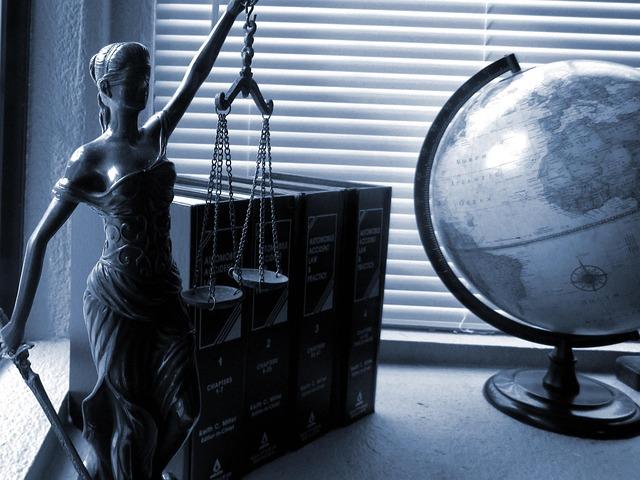
In the intricate landscape of the U.S. justice system, the role of the U.S. Attorney stands as a pivotal force in upholding the rule of law and prosecuting federal offenses. Serving as the chief federal law enforcement officer within their respective districts, U.S. Attorneys are instrumental in shaping legal outcomes and ensuring justice is served. The Department of Justice’s official website (.gov) offers a comprehensive look into the responsibilities, key figures, and ongoing initiatives led by these legal authorities. This article delves into the essential functions of the U.S. Attorney’s Office, highlighting its critical role in the federal justice framework and providing insight into how these offices operate across the nation.
Meet the U.S. Attorney Role in Upholding Federal Law and Justice
The U.S. Attorney serves as the chief federal law enforcement officer in their respective district, entrusted with enforcing the laws of the United States and ensuring that justice is fairly administered. Beyond prosecuting criminal cases, they play a pivotal role in representing the federal government in civil litigation, safeguarding public interests, and combating threats such as organized crime, public corruption, and terrorism. Their unique position requires a balanced approach—advocating for justice while upholding the constitutional rights of all involved parties.
Key Responsibilities Include:
- Investigating and prosecuting federal crimes in district courts
- Advising on and enforcing federal statutes and regulations
- Collaborating with local, state, and federal law enforcement agencies
- Engaging community outreach to promote trust and transparency
| District | Population Served | Cases Handled Annually |
|---|---|---|
| Southern District of New York | 8.5 million | 2,500+ |
| Central District of California | 19 million | 3,200+ |
| District of Columbia | 700,000 | 1,100+ |
Inside the Responsibilities and Challenges Faced by U.S. Attorneys
U.S. Attorneys operate at the nexus of federal law enforcement and the judicial system, entrusted with the critical role of prosecuting criminal cases brought by the federal government. Their docket ranges from sophisticated financial fraud schemes to violent crimes, requiring astute legal judgment and unwavering commitment to justice. Beyond courtroom drama, their responsibilities extend to overseeing civil litigation involving the United States, ensuring government interests and public safety are vigorously defended and advanced.
Meeting these obligations involves navigating a complex landscape marked by several key challenges, including:
- Resource Allocation: Balancing limited personnel and budgets while handling high-profile and high-volume cases.
- Political Pressure: Maintaining impartiality amid shifting political climates and public scrutiny.
- Legal Complexity: Addressing emerging crime trends such as cyber threats and international conspiracies.
- Community Relations: Cultivating trust and transparency in diverse communities to foster cooperative law enforcement efforts.
| Challenge | Impact | Typical Strategy |
|---|---|---|
| Resource Allocation | Case backlog and time constraints | Prioritizing high-impact prosecutions |
| Political Pressure | Risk of perceived bias | Strict adherence to evidence-based decisions |
| Legal Complexity | Constant need for expertise updates | Ongoing specialized training and collaboration |
| Community Relations | Building cooperation and legitimacy | Engagement through outreach and transparency |
How U.S. Attorneys Collaborate with Law Enforcement Agencies Nationwide
U.S. Attorneys serve as the principal federal prosecutors in their respective districts, forging essential partnerships with a diverse array of law enforcement agencies nationwide. Their collaboration spans from local police departments to federal bodies such as the FBI, DEA, and ATF, ensuring a unified front against crime. This close coordination allows for seamless information sharing, joint investigations, and tactical planning that enhance the effectiveness of prosecutions and law enforcement operations across jurisdictions. By leveraging combined resources and expertise, these partnerships aim to dismantle criminal networks, combat terrorism, and uphold justice with precision and efficiency.
Coordination between U.S. Attorneys and law enforcement often follows structured protocols, with regular task force meetings and shared databases to track emerging threats. Below is a snapshot of typical collaborative efforts:
| Partner Agency | Primary Role | Collaboration Focus |
|---|---|---|
| FBI | Investigate federal crimes | Counterterrorism, cybercrime |
| DEA | Combat drug trafficking | Narcotics enforcement, seizures |
| ATF | Regulate firearms & explosives | Illegal weapons trafficking |
| Local Police | Community safety | Joint operations, evidence support |
- Task Forces: Integrated teams tackling complex criminal enterprises
- Information Sharing: Secure intelligence platforms facilitating real-time updates
- Prosecution Support: Legal guidance enhancing case building and trial readiness
Recommendations for Enhancing Transparency and Public Engagement
To foster greater trust and accountability, it is essential for the U.S. Attorney’s Office to implement more dynamic communication channels that actively invite public input. Leveraging social media platforms, hosting live Q&A sessions, and creating interactive forums can bridge the gap between federal prosecutors and the communities they serve. These initiatives should be paired with routine updates that clearly outline ongoing cases, policy changes, and community outreach efforts, thereby demystifying the justice process.
In addition to digital engagement, transparency can be enhanced through structured reporting mechanisms. Introducing quarterly transparency reports that highlight achieved milestones, prosecutorial priorities, and statistical data would offer the public quantifiable insights into office operations. For example, a streamlined reporting format could look like this:
| Metric | Q1 | Q2 | Q3 |
|---|---|---|---|
| Cases Filed | 120 | 135 | 140 |
| Community Meetings | 8 | 12 | 10 |
| Public Feedback Surveys | 250 | 400 | 350 |
Such transparency not only informs citizens but empowers them to engage with and support federal justice initiatives more effectively.
Concluding Remarks
In sum, the U.S. Attorney plays a pivotal role within the Department of Justice, serving as a key figure in upholding federal laws and ensuring justice is served across their respective districts. Their work spans from prosecuting criminal cases to representing the government in civil matters, reflecting the department’s mission to protect the rights and safety of all Americans. As the face of federal law enforcement on the ground, U.S. Attorneys embody the DOJ’s commitment to transparency, accountability, and the rule of law. For those interested in learning more about the individuals championing justice in communities nationwide, the Department of Justice’s official website remains a valuable resource.