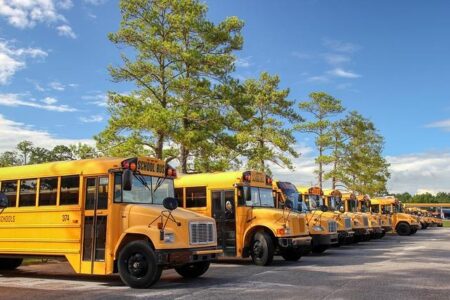
San Francisco teachers have launched a strike demanding better wages, improved health benefits, and increased resources for students, highlighting deepening tensions between educators and the city’s school district. The action, which has disrupted classes across the city, underscores longstanding concerns about teacher compensation and the adequacy of support services available to students. As negotiations continue, the strike sheds light on broader challenges facing public education in San Francisco.
San Francisco Teachers Protest Demands for Increased Wages and Improved Health Benefits
San Francisco educators have taken to the streets in a bold demonstration, demanding significant improvements to their compensation and healthcare packages. Teachers emphasize that rising living costs and the strain of the pandemic have made current wages insufficient, urging for salaries that reflect their essential contributions. Alongside financial concerns, they call for robust health benefits that adequately cover mental health support and family care options, aiming to guarantee well-being for both staff and their families.
These demands are coupled with an urgent plea for increased investment in student resources, highlighting the need for smaller class sizes, updated learning materials, and enhanced support services. The strike has garnered widespread attention, putting pressure on district officials to acknowledge and address the concerns. Below is a summary of key demands from the striking teachers:
- Salary increase: 15% raise over two years
- Health benefits expansion: Inclusion of comprehensive mental health coverage
- Classroom support: Funding for additional aides and counselors
- Learning resources: Modernized technology and updated textbooks
| Issue | Current Status | Requested Change |
|---|---|---|
| Average Teacher Salary | $75,000 | $86,250 |
| Health Coverage | Basic Plan | Expanded Mental Health & Family Coverage |
| Class Size | 30 Students | Maximum 20 Students |
| Student Resources | Outdated Materials | Technology & Textbooks Upgrade |
Impact of the Strike on Student Learning and School Resources Explored
The ongoing strike has substantially disrupted instructional time, causing significant concern among parents and educators alike. With schools operating on limited hours or closing entirely during the walkout, students face the loss of critical learning opportunities. Early assessments indicate potential setbacks in core subjects such as math and literacy, especially for those already struggling. Additionally, extracurricular programs and specialized support services have been put on hold, further limiting the holistic educational experience for many children. Teachers emphasize that these interruptions could have lasting effects if not promptly addressed through targeted remediation.
Beyond classroom learning, the strike has put a spotlight on the strain placed on school resources, which are already stretched thin. Budget reallocations to cover emergency staffing and substitute teachers have meant cuts in other vital areas including classroom supplies and technology upgrades. Key impacts include:
- Reduction in educational materials: Delays in procurement of textbooks and digital tools emphasized by the strike-induced uncertainty.
- Increased maintenance backlog: Deferred repairs and upkeep as funds are diverted to crisis management.
- Compromised student support services: Limited availability of counselors and special education staff due to contract negotiations.
| Area Affected | Immediate Impact | Long-term Risk |
|---|---|---|
| Classroom Instruction | Loss of contact hours | Learning gaps increase |
| Student Support Services | Reduced counseling availability | Rising mental health concerns |
| Facility Maintenance | Delayed repairs | Potential safety hazards |
Union Negotiations Focus on Addressing Educational Inequities and Staff Retention
The recent union negotiations have underscored critical challenges within the San Francisco school system, with educators demanding concrete action to tackle disparities in educational opportunities. Central to the union’s agenda is a call for increased funding that directly targets under-resourced schools, ensuring equitable access to advanced coursework, technology, and extracurricular programs. Union leaders argue that without these measures, achievement gaps will widen, further disadvantaging marginalized students.
Beyond student-focused issues, the discussions have also emphasized the urgent need to improve working conditions to stem the ongoing wave of teacher attrition. Key demands include:
- Competitive salaries and comprehensive health benefits
- Smaller class sizes to reduce burnout
- Increased support staff to alleviate workload
- Professional development and career advancement opportunities
| Issue | Current Status | Union Proposal |
|---|---|---|
| Student Resources | Uneven distribution across districts | Equitable funding allocation |
| Teacher Salaries | Below regional average | Raise by 7% annually |
| Health Benefits | Limited dental and vision coverage | Expanded coverage for all staff |
| Staff Retention | High turnover rates | Enhanced support and incentives |
Community Leaders Call for Collaborative Solutions to Resolve Labor Disputes
Local elected officials, education advocates, and union representatives have united in urging constructive dialogue amid the ongoing teachers’ strike in San Francisco. The coalition stresses the importance of recognizing the interconnected nature of wage fairness, health benefits, and adequate student resources as essential pillars for sustainable labor peace. They emphasize that addressing these issues collaboratively will not only benefit educators but also foster enriched learning environments for students.
The community leaders have also highlighted several proposed initiatives aimed at bridging gaps between school districts and teaching staff, including:
- Establishing joint labor-management committees to oversee contract negotiations
- Implementing third-party mediation to facilitate neutral conflict resolution
- Increasing transparency around school budgets and resource allocations
| Proposed Initiative | Expected Outcome |
|---|---|
| Joint Committees | Enhanced communication and trust |
| Third-party Mediation | Quicker conflict resolution |
| Budget Transparency | Clear resource allocation |
Key Takeaways
As negotiations continue between San Francisco teachers and city officials, the impact of the strike remains a pressing concern for students, families, and the broader community. With educators standing firm on demands for fair wages, improved health benefits, and enhanced student resources, the outcome of these talks will be closely watched as a potential indicator of labor dynamics in public education nationwide. PBS will continue to monitor developments and provide updates as the situation evolves.