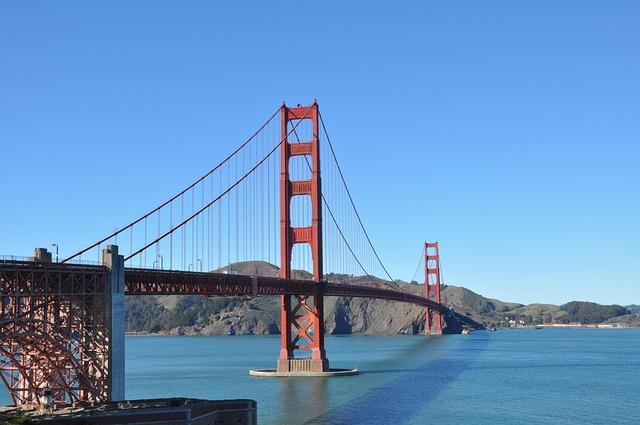
Thousands gathered in downtown San Francisco to voice their opposition to recent U.S. military strikes in Iran, showcasing widespread public concern over escalating tensions in the Middle East. The demonstration, organized by local advocacy groups, highlighted calls for de-escalation and a diplomatic approach to the conflict. This report covers the event’s key moments and the diverse voices that came together in protest.
San Francisco Protest Mobilizes Thousands in Response to U.S. Strikes in Iran
Thousands of demonstrators gathered in downtown San Francisco over the weekend, expressing their strong opposition to recent U.S. military strikes in Iran. The protesters marched peacefully, waving banners and chanting slogans calling for an end to violence and advocating for diplomatic solutions. Organizers highlighted the urgency of avoiding further escalation in the region, emphasizing the potential humanitarian consequences of continued conflict.
Participants represented a wide spectrum of community members, including local activists, students, and representatives from various peace organizations. Key messages shared during the rally included:
- Demand for immediate de-escalation and withdrawal of U.S. forces
- Support for dialogue and multilateral engagement
- Condemnation of violence impacting civilians on both sides
| Aspect | Details |
|---|---|
| Location | San Francisco Civic Center Plaza |
| Estimated Crowd Size | Over 3,000 |
| Primary Organizers | Bay Area Peace Coalition |
| Core Demands | Peace talks, sanctions lift, troop withdrawal |
Voices of Dissent Emphasize Call for Diplomatic Solutions Over Military Action
In a powerful display of civic activism, attendees at the San Francisco rally united in their opposition to the recent U.S. military strikes in Iran, advocating instead for diplomatic avenues and dialogue. Speakers at the event consistently underscored the devastating consequences of armed conflict, emphasizing that sustainable peace can only be achieved through negotiations, mutual understanding, and international cooperation. The crowd, diverse in age and background, echoed calls for restraint, warning that escalation would only deepen regional instability and humanitarian crises.
Key demands from protest organizers included:
- Immediate cessation of military operations and airstrikes
- Diplomatic engagement with Iranian officials and global partners
- Implementation of peaceful conflict resolution frameworks
- Increased congressional oversight on foreign military actions
| Protest Theme | Representative Quote |
|---|---|
| Peaceful Diplomacy | “War deepens wounds; dialogue heals them.” |
| Civilian Safety | “Protect lives, not political agendas.” |
| International Cooperation | “Global issues require global solutions.” |
Community Leaders and Activists Advocate for Increased Public Engagement and Policy Transparency
Community leaders and activists gathered at the San Francisco demonstration to underscore the critical need for greater public participation in foreign policy decisions. Many speakers highlighted the importance of accessible information and called for government transparency to ensure that citizens are fully informed before actions are taken abroad. Attendees echoed demands for open dialogues between policymakers and the public, emphasizing that democratic engagement must extend beyond election cycles.
Among their key calls:
- Regular public forums where citizens can question elected officials directly
- Timely release of intelligence and strategic justifications related to military strikes
- Enhanced oversight mechanisms to hold leaders accountable for foreign engagements
- Educational campaigns aimed at raising awareness about international conflict and its domestic implications
| Advocacy Focus | Expected Outcome |
|---|---|
| Increased Public Engagement | More informed citizenry influencing policy |
| Policy Transparency | Greater accountability for executive decisions |
| Oversight Enhancement | Reduced unilateral military actions |
Recommendations for Authorities to Facilitate Peaceful Demonstrations and Address Public Concerns
Authorities must prioritize clear communication and collaboration with community leaders to ensure that demonstrations proceed peacefully. Establishing designated protest zones and providing detailed logistical information in advance can help organizers and participants navigate city regulations smoothly. Additionally, deploying trained personnel skilled in de-escalation techniques rather than aggressive enforcement encourages mutual respect and reduces the risk of confrontation during sensitive events.
- Pre-event engagement: Meetings with protest organizers to align on routes and expectations
- Real-time communication: Use of social media and official channels to update on traffic, safety, and policy changes
- Support services: Availability of medical aid stations and hydration points for participants
- Respectful law enforcement presence: Focus on protection rather than suppression
| Authority Role | Key Actions | Expected Outcomes |
|---|---|---|
| City Officials | Coordinate resources and permit approvals | Smooth execution of peaceful protests |
| Police | Maintain order, facilitate safe passage | Minimized confrontations, enhanced safety |
| Community Leaders | Promote dialogue and responsible participation | Constructive engagement, reduced tensions |
Addressing public concerns transparently can mitigate frustration and foster trust between authorities and the community. Regular updates on governmental responses to the issues raised by protesters demonstrate accountability and respect for civic engagement. Furthermore, supporting platforms for ongoing dialogue outside of demonstrations—such as town halls, forums, and online discussions—provides citizens with peaceful channels to express grievances and seek resolution.
- Timely information dissemination about policy decisions
- Open forums for public feedback and dialogue
- Community outreach programs to address underlying social issues
- Collaborative policymaking involving diverse community representatives
The Conclusion
The San Francisco protest against U.S. strikes in Iran underscores the growing public dissent over recent military actions abroad. As thousands gathered to voice their opposition, the demonstration highlighted widespread concerns about the potential consequences of escalation and the call for diplomatic solutions. The event serves as a stark reminder of the deeply divided opinions within the United States on foreign policy and military intervention. Authorities continue to monitor the situation as tensions persist both domestically and internationally.