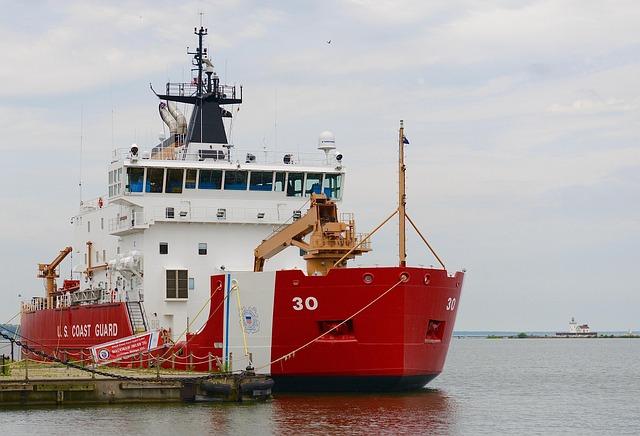
Coast Guard Halts Search Efforts Following Boat Capsize Near Alcatraz Island
After an exhaustive search lasting more than two days, the United States Coast Guard has officially ceased its rescue mission for three individuals reported missing after their boat capsized in the waters surrounding Alcatraz Island. Despite deploying a combination of aerial reconnaissance, marine patrols, and sonar technology across the busy San Francisco Bay, no signs of the missing persons or the submerged vessel were discovered. The decision to end the search reflects the formidable challenges faced by rescue teams, including turbulent currents, limited underwater visibility, and cold water temperatures that significantly hindered recovery operations.
The Coast Guard expressed gratitude for the collaborative efforts of various agencies involved in the search. Below is a summary of the key facts related to the incident:
- Location of Incident: Vicinity of Alcatraz Island, San Francisco Bay
- Number of Missing Individuals: Three
- Duration of Search: Over 48 hours
- Environmental Conditions: Cold temperatures with strong bay currents
- Participating Units: Coast Guard air and sea units, local law enforcement agencies
| Search Method | Result |
|---|---|
| Helicopter and Drone Surveillance | No visual confirmation of missing persons |
| Sonar Exploration | Located debris field; no survivors detected |
| Marine Patrols | Comprehensive coverage of search area |
Ongoing Investigation Into Factors Behind Boat Capsize in San Francisco Bay
Following the suspension of search operations, authorities have shifted focus to a thorough investigation into the causes of the sudden boat capsize near Alcatraz Island. Rescue teams had contended with strong currents and unpredictable weather, complicating efforts to locate survivors. Despite the deployment of helicopters, vessels, and divers, no individuals were recovered, prompting a detailed inquiry into the incident.
Preliminary findings suggest that adverse sea conditions combined with potential overloading of the vessel may have contributed to the accident. Investigators are examining several critical elements, including:
- Mechanical condition and maintenance status of the boat before departure
- Adherence to safety protocols and passenger capacity regulations
- Influence of wave patterns and tidal currents at the time of the incident
| Investigation Aspect | Current Status |
|---|---|
| Boat Structural Integrity | Under active review |
| Meteorological Conditions | Analysis completed |
| Safety Compliance Checks | Ongoing evaluation |
Essential Safety Guidelines for Navigating High-Traffic Waterways
Navigating heavily trafficked maritime zones like those near Alcatraz Island demands strict adherence to safety protocols to prevent accidents. Boaters should perform comprehensive pre-departure inspections, ensuring all life-saving equipment is accessible and communication devices are fully operational. Familiarity with local maritime regulations and maintaining constant vigilance for signals from other vessels are critical. In emergencies, promptly signaling for help rather than attempting hazardous maneuvers can significantly improve survival chances.
Recommended safety practices for boat operators include:
- Maintain continuous communication: Utilize VHF radios to receive traffic updates and emergency broadcasts.
- Adhere to speed regulations: Observe posted speed limits to reduce collision risks, especially in congested or restricted areas.
- Monitor weather forecasts: Avoid boating during periods of poor visibility or rough water conditions typical of bay environments.
- Carry essential safety gear: Equip vessels with flares, first aid kits, and emergency locator beacons.
| Safety Measure | Recommended Practice |
|---|---|
| Collision Prevention | Employ radar systems and maintain vigilant lookout |
| Emergency Preparedness | Conduct regular safety drills and ensure flotation devices are easily accessible |
| Communication Monitoring | Continuously listen to Coast Guard and maritime channels |
Enhancing Emergency Response and Public Awareness in Coastal Communities
To mitigate the risk of maritime tragedies like the recent Alcatraz incident, it is imperative to strengthen emergency response systems and elevate public education efforts. Investment in cutting-edge rescue technologies—such as unmanned aerial vehicles (drones) and automated flotation devices—can dramatically improve rapid response capabilities in challenging marine environments. Additionally, fostering seamless collaboration among Coast Guard units, volunteer rescue organizations, and maritime authorities through integrated communication platforms is essential for efficient resource deployment during crises.
Public outreach initiatives are equally vital in promoting safe boating practices and reducing accidents. Comprehensive campaigns that emphasize the importance of weather awareness, proper use of life jackets, and adherence to safety protocols should be widely disseminated across coastal areas. Combining in-person workshops with digital media strategies can maximize community engagement and knowledge retention. The table below outlines fundamental safety actions every coastal visitor and resident should adopt:
| Safety Action | Objective |
|---|---|
| Wear personal flotation devices | Enhance survival odds during water emergencies |
| Review weather conditions before outings | Avoid exposure to hazardous marine environments |
| Notify others of travel plans | Facilitate prompt rescue if stranded or lost |
| Acquire CPR and water rescue skills | Provide immediate aid prior to professional assistance |
Final Thoughts and Ongoing Developments
The Coast Guard’s decision to discontinue the search for the three missing individuals near Alcatraz Island marks a somber milestone in this tragic event. Investigations continue as authorities seek to uncover the full circumstances behind the boat’s sinking. Meanwhile, families and the local community mourn the loss. Updates will be shared as new information emerges.