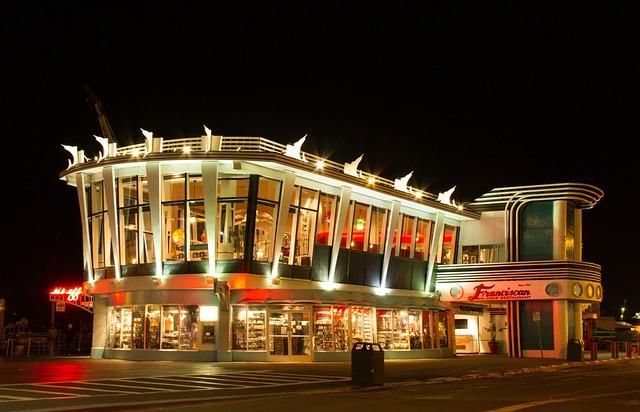
Farewell to Ripley’s Believe It or Not! at San Francisco’s Fisherman’s Wharf: A New Chapter for the Waterfront
Ripley’s Departure: Reflecting on Its Legacy and Influence on Fisherman’s Wharf Tourism
For over ten years, Ripley’s Believe It or Not! has been a defining feature of San Francisco’s bustling Fisherman’s Wharf, captivating visitors with its eclectic array of oddities and rare artifacts. This museum was more than just an attraction; it was a cultural landmark that enriched the waterfront’s vibrant tourism scene. Its exhibits, ranging from the bizarre to the fascinating, sparked intrigue and lively discussions among tourists and locals alike, helping to shape the unique character of the Wharf.
The museum’s closure signals a significant shift in the area’s tourism dynamics. Ripley’s served as a key magnet for families and curious travelers, and its absence is expected to impact the local economy and visitor experience. The repercussions extend beyond the loss of a single venue, affecting the entire ecosystem of Fisherman’s Wharf:
- Decline in Visitor Footfall: The museum attracted a steady stream of tourists, and its closure may lead to fewer visitors in the area.
- Economic Consequences: Nearby businesses, including restaurants and retail shops, could see a downturn in sales due to reduced tourist traffic.
- Cultural Void: The Wharf loses a distinctive attraction that contributed to its eclectic and engaging atmosphere.
| Factor | Impact While Open | Post-Closure Projection |
|---|---|---|
| Visitor Traffic | Consistently high | Likely to decrease |
| Revenue for Local Businesses | Significant boost | Potential decline |
| Cultural Appeal | Unique and engaging | Needs replacement |
Understanding the Closure: Economic Pressures and Changing Tourist Preferences
The decision to shutter Ripley’s at Fisherman’s Wharf stems from a combination of economic and market-driven factors. Rising rental costs in this prime waterfront location, coupled with a downturn in visitor numbers—partly due to lingering pandemic-related travel hesitations—have made sustaining the museum financially unfeasible. Moreover, the evolving tastes of tourists, who increasingly favor interactive and technology-driven experiences, posed challenges for Ripley’s traditional exhibit format, which would have required substantial investment to modernize.
Local enterprises that thrived on the museum’s draw are now preparing for the ripple effects. Many small businesses, including eateries and souvenir vendors, rely heavily on the steady influx of tourists that Ripley’s helped generate. The closure could lead to:
- Lower Customer Volume: Daily foot traffic to nearby shops and cafes may diminish.
- Job Market Impact: Seasonal and part-time employment linked to tourism may face reductions.
- Need for Innovation: Businesses might have to diversify offerings or forge new collaborations to attract visitors.
| Sector | Level of Impact | Suggested Adaptations |
|---|---|---|
| Dining Establishments | High | Introduce themed menus and special promotions |
| Retail Outlets | Moderate | Expand e-commerce platforms |
| Tour Services | High | Develop new tour packages featuring alternative attractions |
Implications for Visitors and Ripley’s Brand Evolution
The closure of Ripley’s at Fisherman’s Wharf represents a notable change for tourists accustomed to its quirky charm. The museum’s unique blend of oddities and historical curiosities offered an experience unlike any other in San Francisco, and its absence leaves a gap in the city’s diverse attraction portfolio. This shift not only alters the visitor landscape but also challenges Ripley’s to rethink its brand strategy in a rapidly changing entertainment environment.
Looking forward, Ripley’s is pivoting towards a more digitally focused presence and exploring new markets. Their future initiatives include:
- Virtual Engagement: Creating immersive online experiences to reach a global audience fascinated by the unusual.
- New Physical Locations: Launching exhibitions in emerging tourist destinations tailored to local interests.
- Collaborative Ventures: Partnering with cultural events and museums to sustain brand visibility and relevance.
| Area | Current Impact | Brand’s Forward Strategy |
|---|---|---|
| Visitor Experience | Loss of a distinctive local attraction | Develop engaging digital content |
| Tourism Diversity | Reduced variety of attractions | Expand partnerships with other tourist venues |
| Brand Identity | Transition from physical to digital | Invest in innovative storytelling and technology |
Alternative Attractions in San Francisco for Visitors Seeking Unique Experiences
With Ripley’s no longer part of the Fisherman’s Wharf experience, travelers looking for offbeat and engaging activities in San Francisco have several excellent alternatives that capture the city’s quirky spirit. The Exploratorium at Pier 15 offers hands-on exhibits that blend science, art, and perception, appealing to those fascinated by the unusual and interactive. For a dive into the city’s darker and more mysterious past, the San Francisco Crime Museum showcases intriguing artifacts related to criminal history and forensic science.
Additionally, the Musée Mécanique remains a beloved destination for vintage arcade enthusiasts, featuring a vast collection of mechanical games and curiosities. For a more serene yet unconventional experience, the Wave Organ at Miramar Point provides an acoustic sculpture made from reclaimed materials, creating unique sounds from the movement of the tides. Below is a quick overview of these notable spots:
| Attraction | Key Feature | Location |
|---|---|---|
| Exploratorium | Interactive Science and Art Exhibits | Pier 15 |
| San Francisco Crime Museum | Collection of Crime-Related Artifacts | Downtown San Francisco |
| Musée Mécanique | Historic Arcade Machines | Fisherman’s Wharf |
| Wave Organ | Sound Sculpture by the Bay | Miramar Point |
Looking Ahead: Navigating Change in San Francisco’s Tourism Landscape
The closure of Ripley’s Believe It or Not! at Fisherman’s Wharf closes a distinctive chapter in San Francisco’s tourism history. While the museum’s physical presence will be missed, its legacy as a hub for the strange and wonderful endures in the memories of visitors and locals. As the waterfront area adapts to evolving market demands and visitor preferences, this transition highlights the broader challenges faced by experiential attractions in today’s competitive tourism environment. The future will likely see a blend of innovation, digital engagement, and new partnerships shaping the next generation of San Francisco’s cultural landmarks.