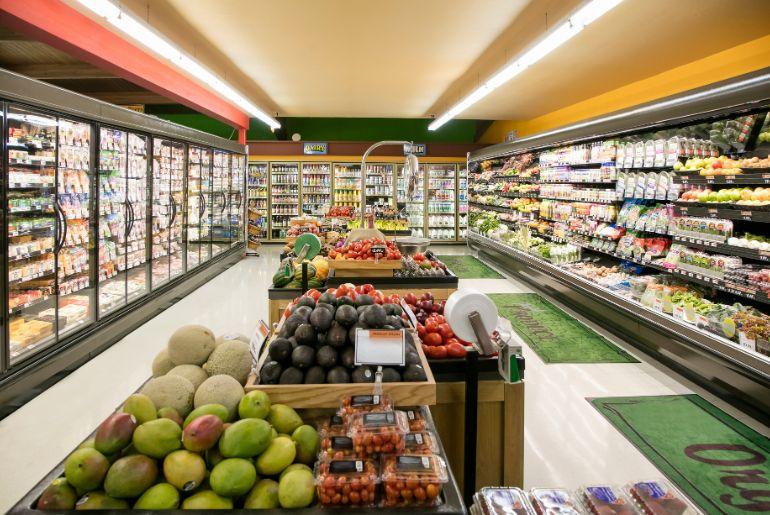
San Francisco has launched its first-ever “free food market,” a pioneering initiative that allows shoppers to take groceries without paying a dime. The innovative market aims to combat food insecurity by providing fresh produce and essential items to those in need, while encouraging community members to contribute what they can. This bold experiment in the city’s ongoing struggle with poverty and homelessness marks a new approach to addressing hunger through local solidarity and resource sharing.
San Francisco Launches Innovative Community Food Market to Address Hunger
In an unprecedented move to combat food insecurity, San Francisco has unveiled a pioneering initiative: a community food market where all items are offered completely free of charge. The market, located in the heart of the city, operates on a simple but powerful premise — visitors can take the groceries they need without any obligation to pay. Designed to eliminate barriers that often prevent access to fresh and nutritious food, this model empowers individuals and families facing economic hardships to leave with dignity and hope. Organizers emphasize the importance of fostering a culture of trust and generosity, encouraging those who are able to contribute by donating surplus food or volunteering their time.
The market’s innovative approach has already attracted widespread attention, drawing praise from local officials, social activists, and residents alike. By removing traditional checkout counters and financial transactions, the space encourages a communal atmosphere centered around sharing rather than purchasing. The initiative also integrates educational workshops focused on nutrition, cooking skills, and sustainable food practices to further support the community’s well-being. Below is a quick overview of the market’s key features:
- Open to all: No ID or proof of income required.
- Variety: Fresh produce, dairy, pantry staples, and baked goods.
- Donation-driven: Powered by local farms, retailers, and individual donors.
- Community engagement: Volunteer-run with educational events and workshops.
How the Free Food Market Operates and Supports Local Residents
The innovative free food market in San Francisco operates on a unique model that encourages community participation and mutual aid. Instead of traditional checkout counters, shoppers can simply pick up the items they need and leave without any payment. The market primarily relies on food donations from local farmers, supermarkets, and residents, which are then sorted and displayed on shelves accessible to all. Volunteers play a critical role, managing inventory and ensuring that fresh produce and essential goods are replenished daily.
Key operational features include:
- Donation-driven supply: Contributions from local businesses and individuals fuel the continuous flow of goods.
- Volunteer management: Community members oversee stocking, cleaning, and assisting shoppers.
- Open access: No eligibility requirements or payments, fostering dignity and trust among visitors.
- Sustainability focus: Emphasis on reducing food waste by redirecting surplus items.
| Category | Average Daily Items | Source |
|---|---|---|
| Fresh Produce | 150 lbs | Farmers & Markets |
| Packaged Goods | 200 units | Supermarkets |
| Baked Items | 100 units | Local Bakeries |
| Dairy & Eggs | 75 units | Community Donors |
Impact of No-Cost Grocery Shopping on Food Security and Social Equity
The introduction of San Francisco’s first free food market is a groundbreaking initiative that addresses the persistent issue of food insecurity in urban areas. By eliminating the financial barrier at the point of purchase, this project directly supports individuals and families who struggle to afford nutritious meals. The market operates on a pay-it-forward philosophy, where community members can both take what they need and contribute what they can, fostering a culture of mutual support and dignity. This model not only reduces the stigma associated with food assistance but also encourages a collective responsibility for social welfare.
Beyond providing immediate relief, the market serves as a catalyst for promoting social equity by creating equal access to quality food regardless of economic status. The initiative highlights the potential for innovative urban solutions to combat systemic disparities. Key benefits observed include:
- Improved nutrition: Availability of fresh produce and staple groceries without cost.
- Community engagement: Strengthened social ties through shared participation.
- Economic relief: Reduced grocery expenses allow for budget allocation toward other essentials.
| Impact Area | Positive Outcome |
|---|---|
| Food Security | Immediate access to healthy food |
| Social Equity | Bridging socioeconomic gaps |
| Community Empowerment | Shared ownership and responsibility |
| Health & Well-being | Reduced food-related stress |
Recommendations for Expanding Free Food Markets to Other Urban Areas
To effectively replicate the success of San Francisco’s pioneering free food market in other urban centers, communities should prioritize building strong alliances with local farmers, grocery stores, and food distributors. Partnerships can ensure a steady supply of fresh and surplus food, minimizing waste while maximizing outreach. Moreover, municipalities need to facilitate accessible locations that serve diverse neighborhoods, especially those facing food insecurity. Offering flexible hours and culturally relevant food options will further encourage broader participation and foster community trust.
Operational transparency and volunteer engagement are also critical for sustainability. Cities should invest in clear signage, digital tools for inventory tracking, and training programs for volunteers to maintain an efficient, welcoming environment. The table below outlines essential components for expansion strategies, highlighting areas that urban planners and nonprofit partners must consider to tailor approaches to local needs.
| Key Aspect | Focus Area | Impact |
|---|---|---|
| Supply Chain | Local sourcing & partnerships | Consistent food availability |
| Location Selection | Accessibility & community reach | Higher user engagement |
| Volunteer Program | Training & retention | Efficient operation & positive experience |
| Community Outreach | Marketing & education | Increased awareness & participation |
In Retrospect
San Francisco’s pioneering “free food market” represents a bold experiment in addressing food insecurity by removing traditional payment barriers. As this initiative unfolds, it may offer valuable insights into community-driven solutions aimed at reducing waste and supporting those in need. Observers and residents alike will be watching closely to see how this model evolves and whether it can be replicated in other cities grappling with similar challenges.