
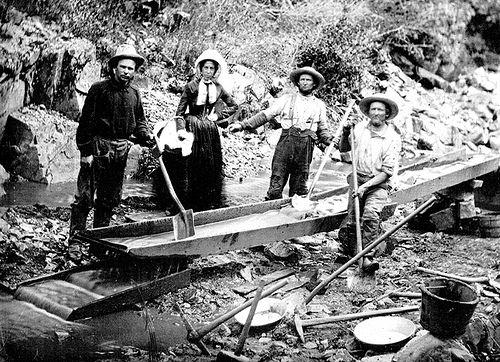
Exploring the Enduring Legacy of the California Gold Rush: Environmental, Cultural, and Conservation Perspectives
Environmental Consequences of the Gold Rush on California’s Natural Habitats
Beginning in 1848, the California Gold Rush unleashed profound environmental upheavals that continue to influence the state’s ecosystems over 170 years later. Mining operations radically transformed landscapes—riverbeds were excavated, forests cleared, and soils destabilized. Techniques like hydraulic mining discharged enormous amounts of sediment and toxic chemicals, especially mercury, into rivers and streams, jeopardizing aquatic life and contaminating drinking water sources. The destruction of native vegetation and widespread erosion disrupted ecological balance, impeding habitat recovery and reducing biodiversity throughout affected regions.
Major enduring environmental challenges include:
- Mercury pollution: Persistent contamination in sediments and fish populations poses ongoing risks to wildlife and human health.
- Fragmented habitats: Mining scars and urban sprawl have segmented ecosystems, limiting animal movement and genetic exchange.
- Altered waterways: Diversion and channelization of rivers have disturbed natural hydrological patterns.
- Decline of native species: Environmental stressors have favored invasive plants and animals, threatening indigenous biodiversity.
| Environmental Issue | Effect | Current Status |
|---|---|---|
| Mercury Contamination | Pollution of soil and aquatic systems | Active cleanup and monitoring ongoing |
| River Sediment Build-up | Degradation of fish habitats | Partial ecosystem recovery in protected zones |
| Deforestation | Increased erosion and habitat loss | Gradual reforestation aided by conservation efforts |
| Biodiversity Loss | Reduction in native species populations | Invasive species continue to expand |
Revealing Cultural Histories Through Gold Rush Archaeology
Ongoing archaeological digs at former Gold Rush locations have uncovered a trove of artifacts that illuminate the daily lives and diverse cultures of those who lived through this transformative era. Items such as worn mining equipment, personal belongings, and historical documents provide invaluable insights into the miners’ experiences, ambitions, and hardships. These relics, preserved by dedicated historians and archaeologists, serve as tangible links to the past, highlighting the resourcefulness and determination that characterized the period.
Key cultural insights derived from these findings include:
- The rich tapestry of immigrant groups, each bringing distinct traditions and customs to the mining camps.
- Accounts of Indigenous communities navigating and resisting the rapid environmental and social changes.
- Personal letters and diaries offering intimate perspectives on the hopes and fears of individuals.
| Artifact | Discovery Site | Historical Importance |
|---|---|---|
| Handcrafted Gold Pan | Sierra Nevada Foothills, California | Emblematic of miners’ daily labor |
| Immigrant Smoking Pipe | Mining Camp in British Columbia | Reflects cultural practices of migrant workers |
| Trade Account Book | Victoria Goldfields, Australia | Documents early commerce and barter systems |
Cutting-Edge Restoration Strategies for Mining-Damaged Landscapes
Environmental groups and local communities are spearheading innovative restoration projects aimed at rehabilitating areas devastated by historic mining. Among the most promising methods is bioremediation, which utilizes native plants and beneficial microorganisms to cleanse soils of heavy metals and restore nutrient cycles naturally. Complementary techniques such as contour terracing and the creation of engineered wetlands help control erosion and filter polluted runoff, significantly improving water quality.
These initiatives often integrate indigenous ecological knowledge with modern science, fostering sustainable land management. Notable restoration practices include:
- Planting drought-tolerant tree species to stabilize soils
- Employing mycorrhizal fungi to boost soil health and plant growth
- Installing sediment traps and natural filtration systems to protect waterways
- Engaging local residents in monitoring programs to ensure long-term ecosystem resilience
| Restoration Method | Primary Advantage | Current Application |
|---|---|---|
| Phytoremediation | Extraction of toxic metals from soil | Experimental trials at multiple sites |
| Terracing | Reduction of soil erosion | Adopted widely by local farmers |
| Wetland Development | Natural water purification | Currently underway in key watersheds |
| Community-Based Monitoring | Ensures ongoing environmental health | Established in several regions |
Promoting Sustainable Tourism and Protecting Gold Rush Heritage
Visitors to historic Gold Rush landmarks are encouraged to practice mindful tourism that honors both the cultural heritage and fragile ecosystems of these sites. Staying on marked trails, refraining from removing artifacts, and respecting local customs are essential to preserving these irreplaceable resources. Partnering with Indigenous groups and descendants of early settlers through guided tours enriches the visitor experience while supporting community-led preservation efforts.
Environmental stewardship is equally critical. The delicate flora and fauna inhabiting these areas are vulnerable to damage from off-trail hiking and littering. Adhering to “Leave No Trace” principles—such as packing out all waste and using biodegradable products—helps minimize human impact. Below is a summary of responsible behaviors visitors should adopt:
| Visitor Responsibility | Environmental or Cultural Benefit |
|---|---|
| Remain on designated paths | Prevents habitat degradation and soil erosion |
| Do not collect artifacts | Maintains historical authenticity |
| Support local guides and cultural programs | Empowers communities and enriches understanding |
| Carry out all trash | Protects wildlife and natural beauty |
| Use eco-friendly products | Reduces pollution and safeguards water quality |
Final Thoughts: Reflecting on the California Gold Rush’s Enduring Influence
The California Gold Rush remains a defining episode in American history, its effects rippling through the environment and cultural identity of the West. National Geographic’s comprehensive examination reveals a multifaceted legacy—one that extends far beyond the pursuit of precious metals to encompass ecological disruption, cultural convergence, and ongoing restoration efforts. By understanding the complex aftermath of this historic event, we gain valuable insights into how past human endeavors continue to shape our landscapes and societies today, guiding us toward more informed stewardship of our shared heritage.