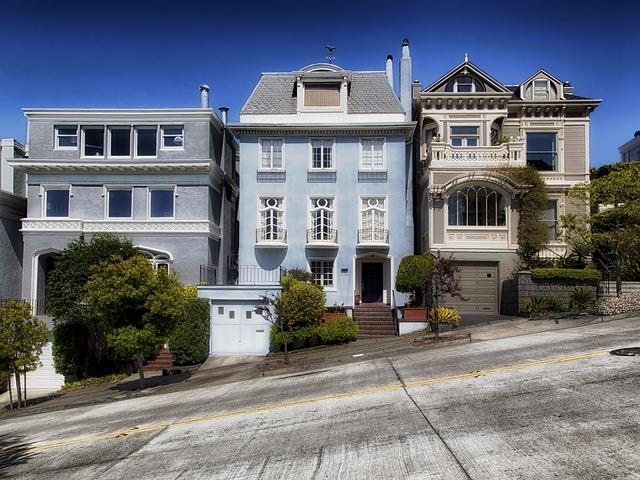
San Francisco’s Real Estate Boom Fueled by AI Industry Expansion
The Influence of High-Earning AI Experts on San Francisco’s Property Market
San Francisco is experiencing an extraordinary escalation in housing prices, largely propelled by the arrival of well-compensated professionals from the artificial intelligence sector. Attracted by the city’s dynamic tech environment and lucrative career prospects, these AI specialists are significantly altering the real estate market. Their substantial purchasing power has intensified demand for premium residences in areas like SoMa, Mission Bay, and Pacific Heights, where upscale condominiums and single-family homes are now fetching unprecedented prices.
This surge is not limited to price hikes alone; real estate agents report fierce bidding competitions, frequently pushing sale prices far beyond initial listings. The table below illustrates the median home price growth in prominent neighborhoods, underscoring the widespread impact of AI-driven affluence:
| Neighborhood | Median Price (2022) | Median Price (2024) | Percentage Increase |
|---|---|---|---|
| SoMa | $1.8M | $2.6M | 44% |
| Mission Bay | $1.5M | $2.2M | 47% |
| Pacific Heights | $3.2M | $4.5M | 41% |
- Rapid development of luxury housing tailored to tech professionals
- Increased real estate investments by AI startups and their leadership
- Heightened bidding wars driving prices beyond traditional market values
Economic Consequences and Displacement of Long-Term Communities
The surge of affluent AI workers has intensified housing demand, causing property values to soar and rental prices to spike. This trend has disproportionately affected long-established residents, especially those from working-class and minority backgrounds, who are increasingly unable to afford living in their own neighborhoods. The rising costs have strained local businesses and community services, disrupting the social fabric of historically diverse districts. Beyond housing, these shifts influence job accessibility and neighborhood cohesion.
Key drivers behind this displacement include:
- Escalating rental rates pushing economically vulnerable families to relocate.
- Gentrification causing closure of affordable shops and cultural landmarks.
- Dwindling availability of housing options affordable to middle- and low-income households.
| Year | Median Home Price | Rental Vacancy Rate | Displacement Rate (%) |
|---|---|---|---|
| 2019 | $1.3M | 5.2% | 8.1% |
| 2022 | $1.9M | 3.4% | 14.3% |
| 2024 | $2.4M | 2.5% | 21.5% |
Obstacles Faced by Middle-Income Households in Securing Affordable Housing
As the AI sector attracts a wave of high-income earners, middle-income families in San Francisco are increasingly marginalized in the housing market. The rising demand for luxury properties has driven prices beyond the reach of many moderate-income buyers. Neighborhoods once accessible to middle-class residents are now dominated by upscale developments and premium rental units catering to tech elites.
Several factors exacerbate these challenges:
- Scarcity of affordable housing: New developments predominantly target affluent buyers, sidelining affordable housing needs.
- Zoning laws: Regulatory barriers limit the construction of mid-range and below-market-rate homes.
- Intense competition: Middle-income buyers face off against investors and tech professionals capable of aggressive bidding.
| Housing Category | Median Price Growth (2020-2024) | Availability Status |
|---|---|---|
| Entry-Level Homes | +48% | Critical shortage |
| Mid-Tier Apartments | +62% | High demand, limited supply |
| Luxury Condominiums | +90% | Abundant but expensive |
Strategic Policy Measures to Combat Housing Inequality in Tech-Centric Cities
Addressing the widening housing disparity intensified by the influx of affluent tech workers requires proactive policy interventions. Municipal authorities should implement inclusive zoning regulations that compel developers to reserve a portion of new housing for affordable units, ensuring that economic prosperity benefits a broader demographic. Expanding rental assistance programs aimed at long-term residents can help maintain community stability amid rising rents. Furthermore, incentivizing affordable housing projects through tax credits and expedited permitting processes is essential for increasing supply.
Robust data collection and analysis are vital for crafting effective housing policies. Collaboration between government agencies, urban planners, and social researchers can provide insights into how AI-driven wealth impacts housing affordability. Additionally, community land trusts and cooperative housing initiatives empower residents to retain control over local housing, fostering sustainable affordability. The following table summarizes key policy tools and their anticipated benefits:
| Policy Instrument | Objective | Projected Impact |
|---|---|---|
| Inclusionary Zoning | Require affordable housing in new developments | Enhanced housing diversity |
| Rental Assistance Programs | Provide support to low-income renters | Community stabilization |
| Tax Incentives | Promote affordable housing construction | Expanded housing availability |
| Community Land Trusts | Enable local ownership and control | Long-term affordability preservation |
Final Thoughts
With San Francisco continuing to attract a growing number of highly paid AI professionals, the housing market’s upward trajectory shows no signs of slowing. This surge in demand has intensified affordability challenges, underscoring the urgent need for comprehensive policy solutions. While the tech boom drives innovation and economic expansion, it simultaneously raises critical questions about equitable housing access for all residents. Monitoring and addressing these evolving real estate dynamics will be essential for fostering an inclusive and sustainable urban future.