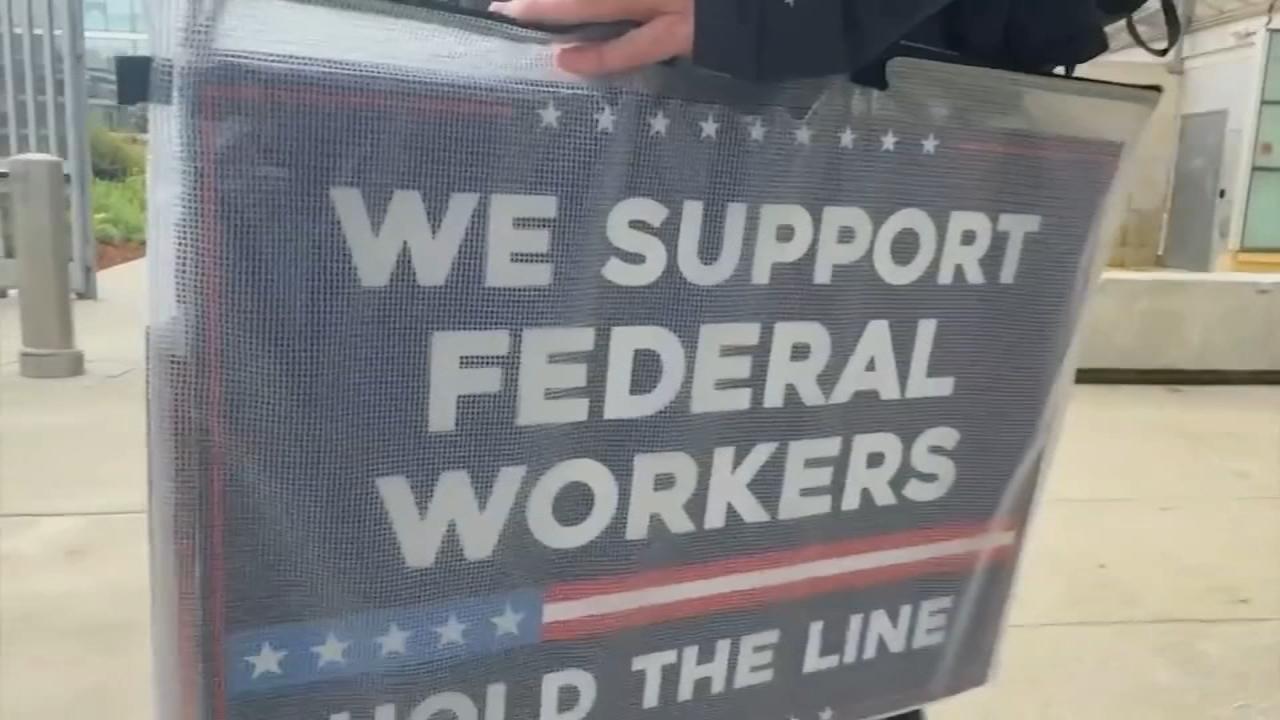
Bay Area Federal Employees Face Growing Hardships Amid Prolonged Government Shutdown
Financial Hardships Mount for Bay Area Federal Workforce
As the federal government shutdown extends into its third consecutive week, thousands of Bay Area federal employees are confronting severe financial difficulties. Workers from key agencies including the National Park Service, Environmental Protection Agency, and Internal Revenue Service have experienced delayed or halted paychecks, forcing many to deplete savings or seek emergency loans to cover essential living costs such as rent, food, and utilities.
Common challenges reported by affected employees include:
- Struggles to pay monthly bills and mortgages on time
- Increased dependence on local food pantries and community aid programs
- Rising stress levels negatively impacting morale and work performance
| Agency | Number of Employees Impacted | Weeks Without Compensation |
|---|---|---|
| National Park Service | 4,500 | 3 |
| Environmental Protection Agency | 3,200 | 4 |
| Internal Revenue Service | 7,800 | 3+ |
Widespread Disruptions to Public Services Impact Bay Area Communities
The shutdown’s consequences extend beyond employees, significantly affecting public services throughout the San Francisco Bay Area. Federal operations at airports, national parks, and social service offices have been curtailed or suspended, resulting in furloughs and unpaid work for tens of thousands of staff. This operational freeze has caused delays in processing vital documents, interruptions in public safety efforts, and a growing backlog expected to take months to clear once funding resumes.
Residents are feeling the strain as these service interruptions exacerbate existing regional challenges. Notable effects include:
- Halted health screenings at border checkpoints, complicating traveler security and flow
- Decreased upkeep of federal infrastructure, raising safety concerns for bridges and transit systems
- Financial hardships for furloughed workers who constitute a significant portion of the local labor market
| Service | Effect | Estimated Recovery Period |
|---|---|---|
| Airport Security | Longer wait times for passengers | 2 to 4 weeks after shutdown ends |
| National Parks | Restricted visitor access | Dependent on budget restoration |
| Social Security Processing | Delays in benefit payments | Up to one month backlog |
Personal Accounts Reveal Emotional and Economic Toll on Federal Workers
Voices from Bay Area federal employees highlight the profound personal impact of the shutdown. From administrative personnel at the Social Security Administration to park rangers at the Golden Gate National Recreation Area, the prevailing sentiment is one of anxiety and hardship. Maria Chen, a seasoned analyst at the Department of Health and Human Services in San Francisco, shared, “I’ve had to rely on my emergency fund just to keep the household running. Each day without income adds to the pressure.” Many recount difficulties in meeting mortgage obligations, cutting back on groceries, and the emotional burden of explaining the situation to their families.
- Loss of income: Weeks without pay disrupting household budgets
- Job uncertainty: Concerns over the duration of furloughs and future employment conditions
- Health access delays: Postponed routine medical care and benefits
- Community repercussions: Interruptions in essential federal services affecting millions
| Position | Main Concern | Reported Consequence |
|---|---|---|
| IRS Agent | Unpredictable pay schedule | Missed rent payments |
| National Park Ranger | Limited operational duties | Compromised visitor safety |
| Social Security Representative | Growing workload backlog | Delayed benefit disbursements |
Financial stress is compounded by emotional strain, with many workers fearing prolonged shutdown effects. An informal survey of Bay Area federal employees found that over 70% reported significant difficulty covering basic living costs. The repercussions ripple outward, affecting families, neighborhoods, and public confidence in government institutions.
Policy Recommendations to Alleviate Impact on Federal Employees
To address the severe consequences of the shutdown on Bay Area federal workers, policymakers should act swiftly to provide financial assistance. Immediate measures might include emergency grants or interest-free loans to help employees manage essential expenses during furloughs. Expanding eligibility for unemployment benefits during these periods is also critical. Furthermore, agencies should be equipped with contingency funds to sustain vital services without resorting to unpaid leave.
Long-term strategies are equally important to enhance resilience against future shutdowns. Suggested actions include:
- Adopting flexible work models to maintain productivity and minimize economic disruption
- Improving communication channels between government entities and employees to ensure timely updates and resource availability
- Creating a dedicated oversight body to monitor federal worker welfare and recommend policy adjustments as needed
| Policy Initiative | Short-Term Effect | Long-Term Advantage |
|---|---|---|
| Emergency Financial Support | Alleviates immediate financial burdens | Enhances employee retention post-crisis |
| Flexible Work Arrangements | Ensures continuity of essential functions | Boosts workforce adaptability |
| Enhanced Communication | Improves employee morale | Builds trust and transparency |
Final Thoughts: The Urgent Need for Resolution
As the government shutdown persists, the uncertainty and financial hardship continue to weigh heavily on tens of thousands of federal employees in the Bay Area. The cascading effects—from delayed salaries to stalled public projects—extend beyond individuals, impacting local economies and essential services. With negotiations in Washington at an impasse, the pressing question remains: how long can these workers and their families endure the mounting strain? This crisis underscores the profound human cost of political deadlock and highlights the critical need for a swift resolution that restores stability to federal employees and the communities they serve.