Unveiling the Hidden Lives of Undocumented Chinese Migrants in San Francisco
Economic Struggles and Social Isolation: The Daily Reality for Undocumented Chinese Migrants
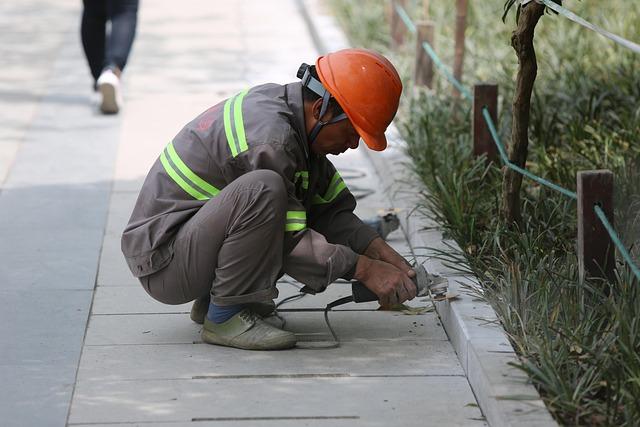
Amid the vibrant urban life of San Francisco, a substantial yet largely invisible community of undocumented Chinese migrants endures persistent uncertainty. Economic instability has worsened for many, as they face scarce employment opportunities, wage theft, and exclusion from vital public services. Predominantly employed in informal sectors such as food preparation, cleaning, and manual labor, these workers often lack basic labor protections. Compounding their difficulties, language obstacles and the constant fear of immigration enforcement isolate them from accessing community resources or legal assistance.
Primary challenges confronting undocumented Chinese migrants include:
- Precarious jobs with minimal labor safeguards
- Barriers to healthcare and educational services
- Heightened risk of discrimination and exploitation
- Limited eligibility for social welfare programs
Advocacy organizations emphasize the urgent need for policy interventions to alleviate these hardships. The table below highlights the demographic and occupational landscape of undocumented Chinese migrants across major U.S. cities:
| City | Estimated Population | Dominant Employment Sector | Access to Social Services |
|---|---|---|---|
| San Francisco | Over 15,000 | Hospitality and Food Industry | Very Limited |
| Los Angeles | Exceeding 20,000 | Construction and Domestic Labor | Low |
| New York City | Approximately 10,000 | Retail and Janitorial Services | Restricted |
Grassroots Solidarity: How Undocumented Migrants Build Resilience Through Community Networks
Despite their marginalization, undocumented Chinese migrants in San Francisco have cultivated robust informal support systems that serve as critical survival mechanisms. These grassroots networks extend beyond emergency aid, fostering shared knowledge, emotional solidarity, and resource pooling. From organizing covert childcare arrangements to facilitating community health initiatives, these groups exemplify collective strength in the face of adversity, helping members navigate legal uncertainties, language challenges, and economic instability.
Essential elements of these community-driven support structures include:
- Reliable Information Sharing: Circulating updates on immigration laws, legal aid opportunities, and safe community spaces.
- Mutual Financial Assistance: Rotating savings and loan groups that help cover unexpected costs and emergencies.
- Skill and Resource Exchange: Offering language tutoring, job leads, and health guidance to enhance self-reliance.
| Activity | Objective | Community Impact |
|---|---|---|
| Regular Community Gatherings | Disseminate information and coordinate support efforts | Builds trust and collective action |
| Health Education Sessions | Address healthcare gaps and promote wellness | Enhances overall community health |
| Emergency Financial Pools | Assist with urgent expenses and legal costs | Provides a safety net during crises |
Legal and Social Barriers: Obstacles to Accessing Vital Services
Undocumented Chinese migrants confront a complex array of legal and societal hurdles that severely restrict their access to healthcare, housing, and employment protections. The pervasive fear of deportation deters many from seeking medical care or reporting workplace abuses, even in critical situations. Additionally, language differences and a shortage of culturally competent services deepen their marginalization, leaving fundamental rights unattainable. Social stigma further alienates this group, hindering their integration and amplifying their invisibility within the broader community.
Major barriers affecting undocumented migrants include:
- Ineligibility for most public assistance programs
- Reluctance to access emergency medical care due to deportation fears
- Language and cultural disconnects in service delivery
- Workplace exploitation with limited legal remedies
- Social exclusion and lack of community recognition
| Service Area | Barrier | Consequences |
|---|---|---|
| Healthcare | Fear of immigration enforcement and restricted coverage | Untreated health conditions and increased public health risks |
| Housing | Exclusion from housing assistance programs | Overcrowded and unsafe living environments |
| Employment | Absence of legal protections | Low pay and hazardous working conditions |
Policy Advocacy: Urgent Calls for Reform to Safeguard Undocumented Migrants
Human rights advocates and community leaders are pressing for comprehensive legislative reforms to protect undocumented migrants in the Bay Area from exploitation and marginalization. These individuals often endure unstable living and working conditions without access to legal safeguards, healthcare, or education. Advocates stress the necessity of creating legal pathways to residency, enhancing labor protections, and implementing robust anti-discrimination policies. Without such reforms, undocumented migrants remain trapped in cycles of fear and invisibility, vulnerable to economic and social upheavals.
Key policy recommendations include:
- Expansion of Sanctuary Policies: Strengthening local measures that limit cooperation with federal immigration enforcement.
- Improved Access to Social Services: Guaranteeing healthcare and educational opportunities without immigration-related repercussions.
- Enhanced Labor Rights Enforcement: Increasing penalties for workplace abuses and ensuring fair treatment.
Proponents argue that these changes not only uphold human rights but also foster community stability and economic inclusion. Without decisive action, undocumented migrants will continue to face precarious conditions with little hope for security or recognition.
Conclusion: Recognizing the Resilience and Rights of Undocumented Chinese Migrants
The experiences of undocumented Chinese migrants in San Francisco reveal a poignant story of resilience amid adversity. As they prepare for potential immigration crackdowns and stricter enforcement, their lives remain largely hidden from public view. Amplifying their voices and understanding their challenges is essential for informed immigration reform and social justice efforts. Addressing their needs with empathy and effective policy can transform uncertainty into opportunity, fostering a more inclusive and equitable society.