San Francisco Secures Second Place Among America’s Top Large Cities
Exceptional Quality of Life and Rich Cultural Scene Propel San Francisco’s Ranking
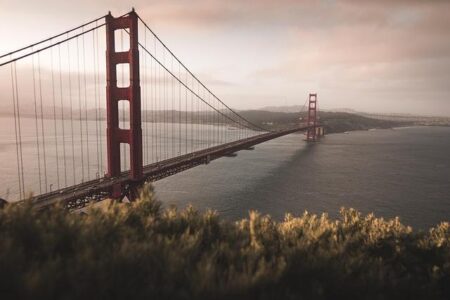
San Francisco has earned the distinction of being the second-best large city in the United States, a testament to its outstanding living standards and cultural vibrancy. The city’s mild climate, stunning vistas of the bay, and comprehensive public transit system greatly enhance everyday life for its residents. Collaborative efforts between urban planners and community groups have prioritized sustainable development and the expansion of green spaces, fostering a healthier and more inclusive environment for its diverse population.
The city’s cultural fabric remains a cornerstone of its identity, offering an eclectic mix of artistic and entertainment venues that appeal to a broad audience. Noteworthy cultural institutions include:
- de Young Museum: Celebrated for its extensive collection of American art and rotating exhibitions.
- San Francisco Symphony: Renowned for its innovative performances and global collaborations.
- Seasonal cultural events: From the Cherry Blossom Festival to the Hardly Strictly Bluegrass music festival, the city celebrates diversity year-round.
| Category | San Francisco Ranking | National Average |
|---|---|---|
| Access to Parks & Recreation | Top 5% | Top 30% |
| Cultural Institutions per Capita | 2nd | 15th |
| Public Transit Efficiency | Top 10% | Top 40% |
What Makes San Francisco a Magnet for Residents and Tourists?
San Francisco’s allure stems from its rich cultural mosaic and dynamic urban environment, making it a favored destination for both inhabitants and travelers. The city’s eclectic neighborhoods, renowned culinary scene, and flourishing arts community create an inviting atmosphere that resonates with many. Locals cherish the harmonious blend of historic architecture and cutting-edge innovation, while visitors are drawn to landmarks like the Painted Ladies and the vibrant Ferry Building Marketplace. Moreover, San Francisco’s dedication to environmental stewardship and green urban spaces offers a unique balance between metropolitan energy and natural tranquility.
Several lifestyle and economic elements underpin the city’s high ranking:
- Thriving employment landscape: Hosting a concentration of leading technology firms and entrepreneurial startups, the city provides plentiful job prospects.
- Prestigious academic centers: Institutions such as the University of California, San Francisco, fuel research and attract talent.
- Multicultural community: A rich tapestry of ethnic backgrounds enriches social life and culinary diversity.
- Advanced transportation network: Well-developed public transit and pedestrian-friendly streets enhance connectivity and convenience.
Infrastructure and Public Services: Pillars of San Francisco’s Success
San Francisco’s impressive ranking is strongly supported by its modern infrastructure and efficient public services. The city maintains an extensive system of roads, bridges, and transit options that facilitate smooth commutes and bolster economic vitality. Recent investments in eco-friendly transportation, including expanded bike lanes and a growing fleet of electric buses, demonstrate the city’s proactive approach to sustainability and urban mobility challenges.
Public services in San Francisco are recognized for their reliability and responsiveness, significantly enhancing residents’ quality of life. Key highlights include:
- Round-the-clock emergency medical services with swift response times.
- Comprehensive waste management programs emphasizing recycling and composting.
- Accessible public libraries and community hubs offering a wide range of educational and cultural activities.
| Service | Rating | Impact |
|---|---|---|
| Public Transit | 9.2/10 | Commute times reduced by 15% |
| Emergency Services | 9.5/10 | Exceptional response efficiency |
| Road Maintenance | 8.7/10 | Enhanced traffic flow and safety |
Strategies to Sustain and Elevate San Francisco’s Urban Excellence
To maintain its status as a leading large city, San Francisco must continue to emphasize community involvement and sustainable urban planning. Prioritizing the development of lively public spaces that foster social interaction and cultural expression, alongside expanding eco-friendly transit options, will be crucial in reducing congestion and environmental impact. Supporting inclusive economic growth through backing local enterprises and innovation hubs will further strengthen the city’s competitive advantage and urban vitality.
Recommended initiatives for future urban development:
- Increase affordable housing availability to preserve socio-economic diversity.
- Enhance green infrastructure, including parks and waterfront revitalization, to boost environmental resilience.
- Expand pedestrian and cycling infrastructure to encourage healthier lifestyles and reduce emissions.
- Implement community policing and safety programs to foster trust and security among residents.
| Initiative | Expected Outcome |
|---|---|
| Affordable Housing Expansion | Greater economic and cultural inclusivity |
| Green Infrastructure Development | Enhanced public health and climate adaptation |
| Public Transit Enhancement | Lower traffic congestion and pollution levels |
| Community Policing Programs | Improved safety and stronger community relations |
Conclusion: San Francisco’s Enduring Urban Appeal
San Francisco’s achievement as the second-best large city in the nation highlights its sustained vibrancy and strong community spirit. With its unique combination of cultural richness, economic vitality, and iconic attractions, the city continues to captivate both residents and visitors. By building on its existing strengths and embracing forward-thinking initiatives, San Francisco is poised to remain a trailblazer in shaping the future of urban living across the United States.