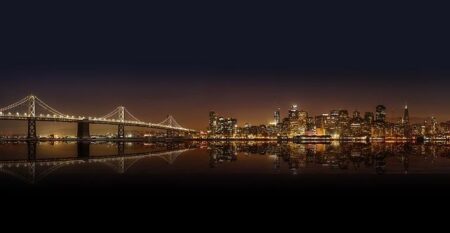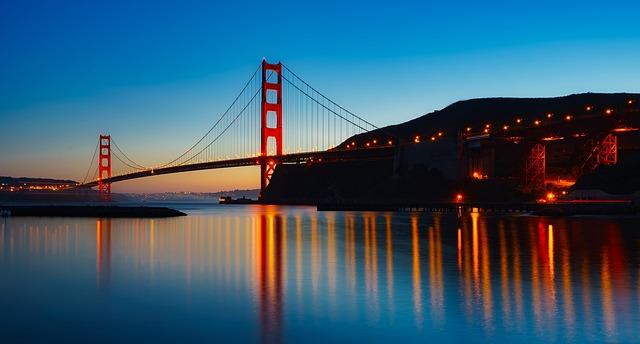
Massive power outages have plunged large parts of San Francisco into darkness, causing widespread disruption throughout the city. The blackout, which began in the early evening, has affected thousands of residents and businesses, bringing traffic to a standstill and complicating emergency response efforts. As utility crews work to restore electricity, officials are investigating the cause of the failure that has left key neighborhoods powerless and commuters stranded. This developing situation highlights vulnerabilities in the city’s infrastructure and raises urgent questions about preparedness and resilience in the face of growing urban challenges.
San Francisco Faces Widespread Blackouts Affecting Residential and Commercial Areas
Thousands of residents and businesses across San Francisco experienced sudden and extensive power blackouts late last night, plunging entire neighborhoods into darkness. The outage disrupted daily activities, halted public transportation, and created significant challenges for emergency responders. Many residents reported that their homes lost power without warning, while commercial districts found their operations severely hindered during peak hours. The blackout also led to widespread disruptions in traffic light systems, resulting in congestion and heightened accident risks at major intersections.
Utility companies are currently investigating the root cause of the failures, attributing the incident to a technical malfunction within the city’s main power grid substations. Restoration efforts have been prioritized for critical infrastructure, but full recovery is not expected until late tonight. The following key areas were impacted:
- Financial District: Considerable outages affecting offices and banks.
- Mission District: Residential blocks left without power for hours.
- SOMA: Transportation hubs and entertainment venues disrupted.
| Area | Estimated Restoration Time | Impact Level |
|---|---|---|
| Financial District | By 10 PM | High |
| Mission District | By Midnight | Medium |
| SOMA | By 1 AM | High |
Traffic Systems Ground to a Halt as Power Outage Disrupts Signal Operations
As darkness fell over San Francisco, a widespread power outage plunged neighborhoods into silence while critical traffic control systems failed. Major intersections across the city became dangerously congested as traffic signals ceased functioning, forcing authorities to deploy emergency personnel to direct traffic and prevent accidents. Commuters faced unprecedented gridlock during peak hours, with some reporting hour-long delays for what would normally be short drives. According to city officials, the blackout affected nearly 500,000 residents and was traced back to a malfunction in a main transformer at a local substation.
In response to the outage, the San Francisco Municipal Transportation Agency (SFMTA) issued the following guidelines to help alleviate chaos and ensure public safety:
- Avoid driving unless absolutely necessary.
- Yield to emergency personnel directing traffic at major intersections.
- Report any downed power lines or hazardous situations immediately.
- Use public transportation alternatives where available and operational.
Meanwhile, utility crews worked tirelessly through the night to restore service, hoping to resolve the issue with minimal further impact on the city’s transit and emergency services.
| Area | Time Signal Failure Started | Traffic Delay (Approx.) |
|---|---|---|
| Downtown | 6:45 PM | 90 minutes |
| Bayview | 7:10 PM | 60 minutes |
| Sunset District | 6:50 PM | 45 minutes |
Emergency Services Mobilize to Manage Public Safety Amid Citywide Darkness
Emergency responders sprang into action across San Francisco following a sudden, widespread power failure that plunged much of the city into darkness during peak hours. Fire departments, police units, and paramedics coordinated closely to secure hazardous areas, manage traffic gridlocks, and ensure vulnerable populations received immediate assistance. Strategic deployment of mobile generators and rapid communication via radio channels were critical in maintaining operational capacity amidst the blackout.
Key public safety measures implemented included:
- Setting up temporary traffic control points at major intersections
- Dispatching patrol cars to high-risk neighborhoods to preempt crime spikes
- Activating emergency shelters for residents reliant on electrically powered medical equipment
| Service | Response Time | Primary Actions |
|---|---|---|
| Fire Department | 5 min | Fire watch, hazard mitigation |
| Police | 3 min | Traffic management, crime prevention |
| EMS | 7 min | Medical aid, patient transport |
Experts Advise Preparedness Measures for Residents and Businesses During Extended Outages
Local authorities and energy experts are urging both residents and business owners to take proactive steps to minimize the impact of prolonged power disruptions. Essential recommendations include assembling emergency kits equipped with flashlights, batteries, and non-perishable food, as well as securing backup power sources like generators. Businesses are also encouraged to develop contingency plans that prioritize critical systems and safeguard sensitive data by implementing uninterruptible power supplies (UPS) and cloud-based backup solutions.
Beyond basic preparations, experts emphasize the importance of community collaboration and communication during outages. Residents should stay informed via battery-operated radios or mobile notifications, while businesses should designate emergency response teams to coordinate resources and maintain operational continuity. The following table highlights key preparedness priorities for households and commercial entities:
| Category | Recommended Actions |
|---|---|
| Households |
|
| Businesses |
|
Closing Remarks
As San Francisco begins the process of restoring power and assessing the full impact of the outages, city officials have urged residents to remain cautious and stay informed through official channels. Investigations into the cause of the mass blackout are ongoing, with authorities promising updates as they become available. Meanwhile, transportation and emergency services continue to work tirelessly to manage disruptions and ensure public safety in the affected areas. The incident serves as a stark reminder of the vulnerability of urban infrastructure and the need for robust contingency planning in the face of unexpected challenges.