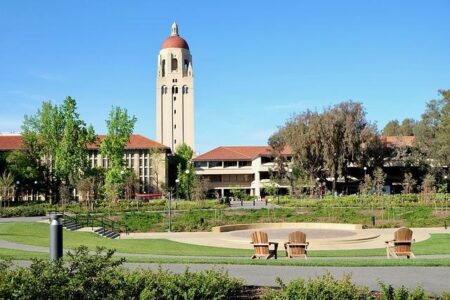
As employers in the Bay Area prepare to mandate a return to office work in 2026, apartment rents across the region are experiencing a sharp surge. This trend reflects growing demand for housing near corporate hubs, as workers anticipate commuting needs and seek proximity to their workplaces. The rising rental costs highlight the complex interplay between evolving workplace policies and the regional housing market, underscoring challenges for residents and businesses alike.
Bay Area Apartment Rents Surge Amid Return to Office Mandates
Apartment rents in the Bay Area have experienced a significant uptick as many companies reinstate office attendance requirements starting in 2026. This shift is driving demand for housing closer to business districts, pushing rental prices to levels not seen since the pre-pandemic period. Industry experts attribute the surge to a combination of limited housing supply and the renewed urgency among professionals to minimize commute times. Landlords have responded by increasing prices, capitalizing on the inflow of tenants seeking convenient locations.
Key factors influencing the rent surge include:
- Proximity to transit hubs: Rents are rising fastest in neighborhoods with easy access to public transportation.
- Office reopening timelines: Companies setting firm return dates accelerate rental market activity.
- Limited new developments: Ongoing housing shortages continue to constrain available units.
| Neighborhood | Average Rent Increase (YoY) | Distance to Downtown (miles) |
|---|---|---|
| SoMa | 12% | 1.2 |
| Mission District | 10% | 3.1 |
| Emeryville | 8% | 6.5 |
| Downtown Oakland | 9% | 7.8 |
Employers Push for In-Office Work Driving Housing Demand in Tech Hub
As regional employers signal a firm return-to-office policy starting in 2026, a notable shift is emerging in the Bay Area housing market. The renewed demand for proximity to workspaces is fueling a competitive surge in apartment rentals near major tech campuses. Professionals who had previously embraced remote work options are now scrambling for conveniently located residences, driving prices upward. Landlords and developers are responding with increased inventory, yet affordability remains a pressing concern for many employees navigating the new in-office mandates.
Key factors influencing this housing demand include:
- Commuting convenience: Employees prioritize shorter travel times to tech headquarters.
- Urban amenities: Access to local dining, entertainment, and public transit is in higher demand.
- Corporate incentives: Some companies are offering housing stipends and relocation support to ease transitions.
| Neighborhood | Avg. Rent Increase (2025-2026) | Proximity to Tech Campuses |
|---|---|---|
| South San Francisco | 12% | 1 mile |
| Mountain View | 15% | 0.5 mile |
| San Jose Downtown | 9% | 2 miles |
Impact on Workforce Commuting Patterns and Lifestyle Choices Explored
With major employers mandating a return to office by 2026, Bay Area workers are recalibrating their daily routines and living arrangements. The once flexible hybrid and remote work options that shaped lifestyle choices over the past few years are giving way to traditional commuting demands, prompting many to trade longer daily drives for premium apartment rentals closer to office hubs. As a result, family dynamics and leisure time are increasingly influenced by these adjustments, impacting everything from childcare logistics to personal wellness routines.
Several lifestyle shifts are now taking shape, including:
- Preference for proximity: A surge in demand for apartments within a 5-mile radius of major employment centers.
- Changing transportation modes: Increased reliance on public transit and carpooling efforts to mitigate rising commuting costs.
- Work-life balance restructuring: Employees juggling stricter office hours with flexible evening and weekend schedules.
| Lifestyle Factor | Pre-2026 Trend | Post-Return Shift |
|---|---|---|
| Commute Distance | 15-20 miles | Under 10 miles |
| Flexible Work Hours | 70% | 35% |
| Apartment Demand Growth | Moderate | Sharp increase |
Strategies for Renters and Employers to Navigate Rising Housing Costs
In response to the soaring rent prices across the Bay Area, renters are increasingly adopting flexible housing strategies to maintain affordability. Many are turning to co-living arrangements and negotiating longer lease terms to lock in current rates, mitigating the impact of continuous rent hikes. Additionally, leveraging remote-friendly employer policies—even if temporary—allows some workers to relocate to suburban or less expensive regions without sacrificing their income. Financial planning, such as setting aside emergency housing funds and exploring rent assistance programs, is becoming essential for navigating the elevated cost landscape.
Employers, confronted with mounting pressure to recall staff to physical offices in 2026, are also modifying their approaches to support employees facing these challenges. Companies are considering enhanced relocation packages, subsidized transit benefits, and partnerships with local housing organizations to ease commuting and living costs. There is a growing trend toward offering housing stipends or flexible work arrangements that blend in-office and remote days, aiming to balance operational needs with workforce stability and retention.
- For Renters: Seek roommate sharing, negotiate lease terms, and utilize rent assistance resources.
- For Employers: Provide housing support, flexible schedules, and invest in commuter benefits.
| Strategy | Renters | Employers |
|---|---|---|
| Financial Support | Emergency savings, rent subsidies | Relocation bonuses, housing stipends |
| Flexibility | Remote work, extended leases | Hybrid work models, adjustable office hours |
| Community Resources | Co-living, local assistance programs | Housing partnerships, transit benefits |
The Way Forward
As Bay Area employers prepare to mandate office returns in 2026, the region’s apartment rents continue to surge, underscoring the enduring impact of workplace policies on local housing markets. The evolving dynamics between corporate decisions and residential demand will remain a critical area to watch, as both tenants and landlords navigate the challenges of a shifting economic landscape.