

Slate’s latest article investigates persistent issues in U.S. math education, highlighting outdated curricula, unequal resources, and teaching methods that hinder student engagement and understanding nationwide.
Slate’s latest article investigates persistent issues in U.S. math education, highlighting outdated curricula, unequal resources, and teaching methods that hinder student engagement and understanding nationwide.

In the ongoing debate over early algebra education, parents are increasingly influencing school policies, advocating for delayed introduction of complex concepts. Their voices are reshaping math curricula nationwide, sparking educational reconsiderations.
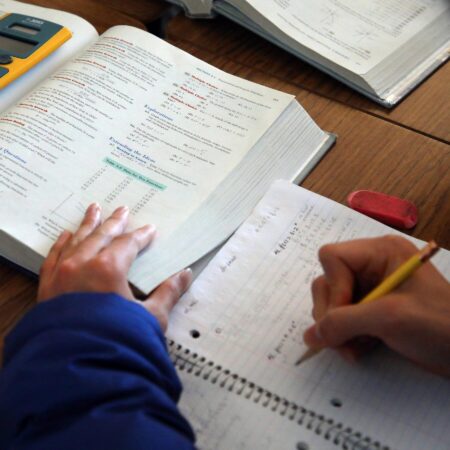
California’s new math framework aims to close achievement gaps by slowing the pace of advanced coursework. However, it has sparked backlash from parents and educators concerned about limiting opportunities for gifted students.
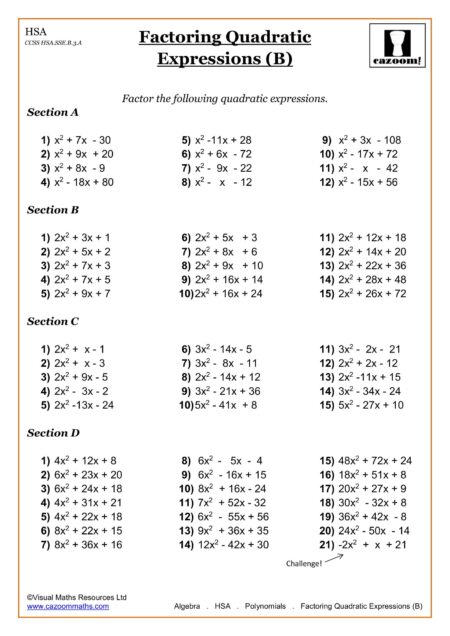
American high school math education is evolving, with new curricula focusing on critical thinking and real-world applications. Schools nationwide are adopting innovative teaching methods to better prepare students for future challenges.
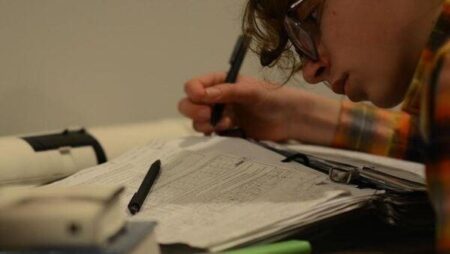
In the growing debate over early algebra in schools, parents are increasingly influencing curriculum decisions. Many advocate for a stronger focus on foundational math before introducing advanced concepts, reshaping education priorities.
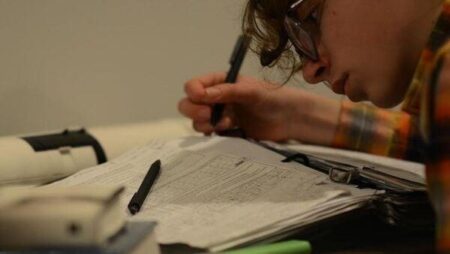
In the debate over early algebra education, parents are gaining influence, challenging schools to adjust curricula. The Wall Street Journal reports growing parental pressure to delay or modify complex math instruction for younger students.
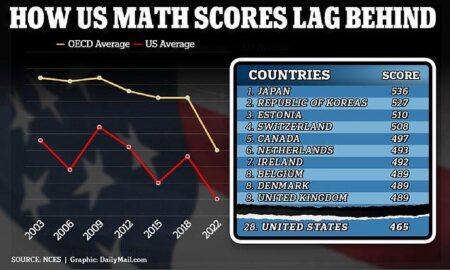
Math scores in the U.S. lag behind global peers, spotlighting gaps in teaching methods. Countries with higher achievement often emphasize problem-solving and critical thinking, offering lessons for American education reform.
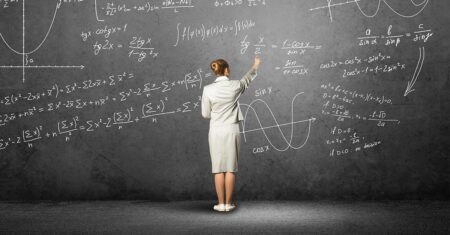
Algebra has become a flashpoint in schools nationwide, sparking debates over equity, curriculum standards, and instructional methods. Educators and parents clash on its role in shaping students’ futures.