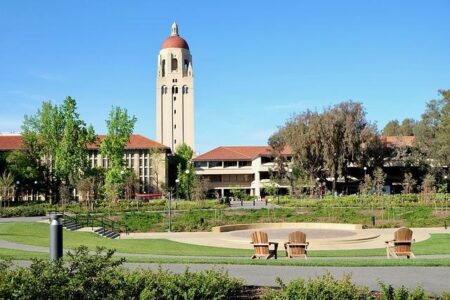
Minerva University: Redefining Higher Education Through Global Innovation
Revolutionizing Academia with a Global Campus Model
Situated in the innovative hub of San Francisco, Minerva University is pioneering a transformative approach to higher education by integrating a global campus experience with a curriculum tailored for today’s interconnected world. Unlike conventional universities anchored to a single location, Minerva’s students embark on an academic journey across seven international cities, including Seoul, Berlin, and Buenos Aires, immersing themselves in diverse cultures while pursuing their studies. This model appeals to learners seeking a dynamic, borderless education but also prompts debate about its accessibility and effectiveness for all student types.
Minerva replaces traditional large lectures with small, interactive seminars facilitated by proprietary digital platforms designed to maximize student engagement and participation. This method fosters critical thinking and active learning, distinguishing it from the passive lecture formats prevalent in many institutions. Key elements of Minerva’s approach include:
- Global Mobility: Students rotate through multiple international cities, gaining firsthand cultural insights and global competencies.
- Adaptive Learning Technology: Coursework is personalized through data-driven platforms that challenge students at their individual skill levels.
- Cost-Effective Tuition: By minimizing physical infrastructure, Minerva offers a more affordable tuition rate compared to many private universities.
| Aspect | Conventional Universities | Minerva University |
|---|---|---|
| Campus Location | Single, fixed campus | Rotating global cities |
| Class Size | Large lectures (100+ students) | Small, discussion-based seminars |
| Instruction Mode | In-person lectures | Interactive online platform |
| Annual Tuition | Approximately $50,000 | About $22,000 flat rate |
Curriculum Designed for the 21st Century Learner
Minerva’s academic program breaks away from traditional lecture-driven education by emphasizing active participation, critical analysis, and real-world problem-solving. The curriculum is interdisciplinary, blending arts, sciences, and technology to equip students with versatile skills applicable across various industries. Students engage in a flipped classroom model where preparation and discussion replace passive note-taking, fostering deeper understanding and adaptability.
- Global Rotation Program: Mandatory residencies in seven cities worldwide provide immersive cultural and academic experiences.
- Interdisciplinary Studies: Courses integrate multiple fields, encouraging innovative thinking and broad expertise.
- Small Group Seminars: Intimate class sizes promote meaningful dialogue and personalized feedback.
| Feature | Minerva | Traditional Universities |
|---|---|---|
| Number of Campuses | 7 International Cities | 1 Main Campus |
| Global Exposure | High (mandatory rotations) | Low (optional study abroad) |
| Learning Method | Interactive, flipped classroom | Lecture-based |
Financial Considerations and Career Prospects: A Balancing Act
As Minerva gains traction, prospective students and their families are carefully evaluating the financial implications of enrolling. While tuition is generally lower than many elite private universities, the absence of a long-established reputation and a vast alumni network raises concerns about the return on investment. The university’s hybrid model—combining online instruction with global residencies—presents a novel but unproven pathway, leading some to question whether the cost justifies the potential career benefits.
Supporters point to encouraging employment statistics among graduates and the development of critical skills that align with evolving job market demands. The ongoing debate centers on how to define value in higher education, with families weighing factors such as:
- Cost relative to post-graduation employment opportunities
- Flexibility and independence offered by location-agnostic learning
- Exposure to diverse cultures through international residencies
- Long-term advantages of a non-traditional academic framework
| Criteria | Traditional Universities | Minerva University |
|---|---|---|
| Tuition Fees | $50,000+ annually | Approximately $40,000 annually |
| Learning Format | On-campus, in-person | Online with global residencies |
| Alumni Network | Well-established | Developing |
| Graduate Employment Rate | 85%-95% | Emerging data |
Expert Insights: Navigating Minerva’s Unique Educational Landscape
Education specialists recognize Minerva’s groundbreaking model for fostering adaptability, global awareness, and analytical skills. However, they caution prospective students to thoroughly assess whether this unconventional path aligns with their personal learning preferences and career goals. The absence of traditional campus life and reliance on virtual seminars may limit social networking and on-campus engagement, which are often critical for professional development.
Experts advise considering the following before committing:
- Academic Demands: Minerva’s rigorous, self-directed coursework requires strong motivation and discipline.
- Global Adaptability: Students must be prepared for frequent international relocations and cultural adjustments.
- Proactive Career Planning: Given the novel format, students should actively pursue internships and build industry connections independently.
| Aspect | Minerva University | Traditional University |
|---|---|---|
| Campus Experience | Rotating global cities | Single, localized campus |
| Class Structure | Small online seminars | In-person lectures and labs |
| Networking Opportunities | Virtual and international peers | On-campus clubs and alumni events |
| Cost Model | Flat tuition including travel | Variable tuition plus living expenses |
Conclusion: A Bold Experiment or the Future of Higher Education?
Minerva University’s innovative blend of global immersion, interactive learning, and cost-conscious tuition challenges the conventional university paradigm. While it offers a compelling alternative for students seeking a flexible, culturally rich education, uncertainties remain regarding its long-term impact on career trajectories and social development. As the institution continues to evolve, only time will determine whether Minerva sets a new standard for higher education or remains a high-risk experiment for those willing to embrace its unconventional path.