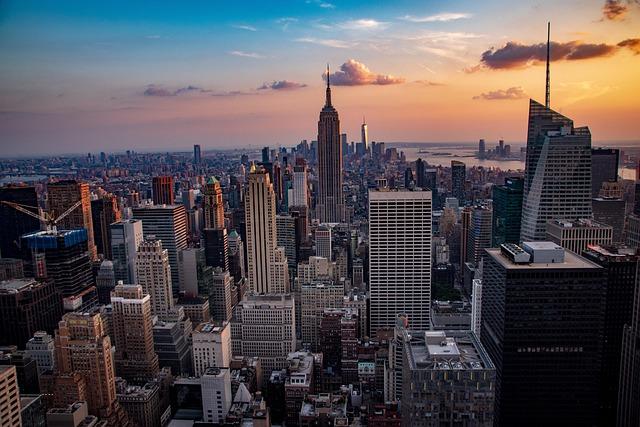
Examining the Rising Cost of Living in Global Metropolises: New York, Sydney, and San Francisco
In recent years, New York, Sydney, and San Francisco have solidified their status as some of the most expensive cities worldwide, reflecting their roles as epicenters of economic vitality and cultural significance. A 2022 report from Fox Business places these urban hubs among the top ten costliest places to reside, driven by escalating housing expenses, inflationary pressures, and evolving global economic trends. This article delves into the latest statistics behind these rankings, analyzes the primary contributors to the high cost of living, and discusses the consequences for inhabitants and enterprises operating within these costly metropolitan environments.
New York and San Francisco: Front-Runners in Soaring Urban Expenses
New York City and San Francisco continue to lead the United States in terms of living costs, with residents grappling with surging housing prices and increasing daily expenditures. The combination of limited housing availability and growing demand has intensified financial pressures, making it challenging for many to sustain their lifestyles amid persistent inflation. Key elements influencing these trends include:
- Scarcity of housing inventory alongside heightened demand
- Escalating costs for transportation and utilities
- Inflation-driven price increases for essential goods and services
San Francisco’s booming technology sector exerts continuous upward pressure on rental and property markets, while New York’s diverse economic activities maintain strong demand across residential and commercial real estate. The table below compares average monthly expenses in these cities with London, another major global financial center:
| City | Average Monthly Rent | Groceries Cost Index | Transportation Expenses |
|---|---|---|---|
| New York | $3,200 | 85 | $127 |
| San Francisco | $3,700 | 90 | $98 |
| London | $2,800 | 78 | $155 |
Sydney’s Real Estate Boom: Fueling Australia’s Cost of Living Surge
Sydney’s housing market has been a pivotal factor in driving up living expenses across Australia’s urban regions. The city faces a significant imbalance between limited housing stock and robust demand from both local and international buyers, resulting in record-high property prices. This surge is particularly evident in Sydney’s suburban areas, where affordability challenges have intensified competition among prospective homeowners and renters alike. Government stimulus measures and historically low interest rates have further accelerated this upward trajectory.
Market analysts highlight that beyond traditional supply and demand dynamics, shifting buyer preferences—such as a growing desire for larger living spaces and enhanced amenities—have contributed to the price escalation. While homeowners enjoy increased property values, renters are confronted with steep rent hikes. The following table illustrates Sydney’s recent housing market trends:
| Year | Median House Price (AUD) | Annual Growth Rate | Rental Yield (%) |
|---|---|---|---|
| 2020 | 1,250,000 | 5.8% | 3.1 |
| 2021 | 1,380,000 | 10.4% | 2.9 |
| 2022 | 1,520,000 | 10.1% | 2.7 |
- Supply limitations: Land scarcity and stringent zoning laws intensify price increases.
- Investor demand: Both foreign and domestic investors amplify market competition.
- Changing lifestyle priorities: Increased preference for spacious homes and quality of life amenities.
How Inflation and Supply Chain Disruptions Amplify Urban Living Costs
Global inflation has surged to levels not seen in decades, placing additional financial burdens on households in major cities. The rising prices of everyday necessities—from food to energy—have significantly reduced disposable incomes, with housing markets experiencing some of the most pronounced effects. Rent and property values have climbed sharply, driven by inflation expectations and persistent supply shortages.
Compounding these challenges are ongoing supply chain disruptions, which have delayed the availability of essential goods and contributed to scarcity-induced price hikes. Key factors exacerbating these issues include:
- Congestion at major ports and shipping delays
- Production bottlenecks in critical manufacturing sectors
- Labor shortages in logistics and warehousing industries
- Increased costs for transportation and raw materials
These combined pressures have pushed cities like New York, Sydney, and San Francisco into the upper tier of global living expenses. The table below summarizes inflation-driven cost increases across various urban expense categories in 2022:
| Expense Category | Average Price Increase (%) | Effect on Monthly Budget |
|---|---|---|
| Groceries | 12.5% | Significant |
| Housing (rent/mortgage) | 15.8% | Severe |
| Utilities | 9.7% | Moderate |
| Transportation | 14.2% | High |
| Consumer Goods | 10.3% | Moderate |
Effective Approaches to Mitigate High Living Costs in Leading Financial Cities
For residents and businesses in premier economic hubs such as New York, Sydney, and San Francisco, managing expenses is crucial to maintaining financial stability. One increasingly popular solution is embracing shared living arrangements or co-working spaces, which help reduce housing and operational expenditures while fostering community connections. Furthermore, the adoption of remote work policies enables companies to access a broader talent pool without incurring the premium costs associated with physical office spaces in expensive cities. Practical budgeting, combined with the use of public transit and local discount programs, also contributes to controlling everyday spending.
City officials and employers are implementing innovative strategies to ease financial pressures, including:
- Tax breaks designed to support startups and small enterprises, encouraging growth with reduced overhead.
- Affordable housing projects that focus on mixed-income developments to improve accessibility for workers.
- Investment in public transportation infrastructure to lower commuting costs and reduce reliance on private vehicles.
- Promotion of flexible work schedules to alleviate peak-hour congestion and associated expenses.
| Strategy | Advantage | Example City |
|---|---|---|
| Co-living Spaces | Reduced rent and enhanced community support | San Francisco |
| Remote Work Policies | Lower office-related expenses | New York |
| Tax Incentives | Stimulates business expansion | Sydney |
| Public Transit Investment | Decreases commuting costs | New York |
Conclusion: Navigating the Challenges of Expensive Urban Living
As living costs continue to climb in major cities worldwide, New York, Sydney, and San Francisco remain emblematic of the financial challenges faced by urban dwellers in 2022. The persistent rise in housing, transportation, and daily necessities underscores the urgent need for targeted policies and innovative solutions to enhance affordability. For city planners, policymakers, and stakeholders, prioritizing accessible and sustainable living environments is essential to preserving the vibrancy and inclusivity of these global metropolises in the years to come.