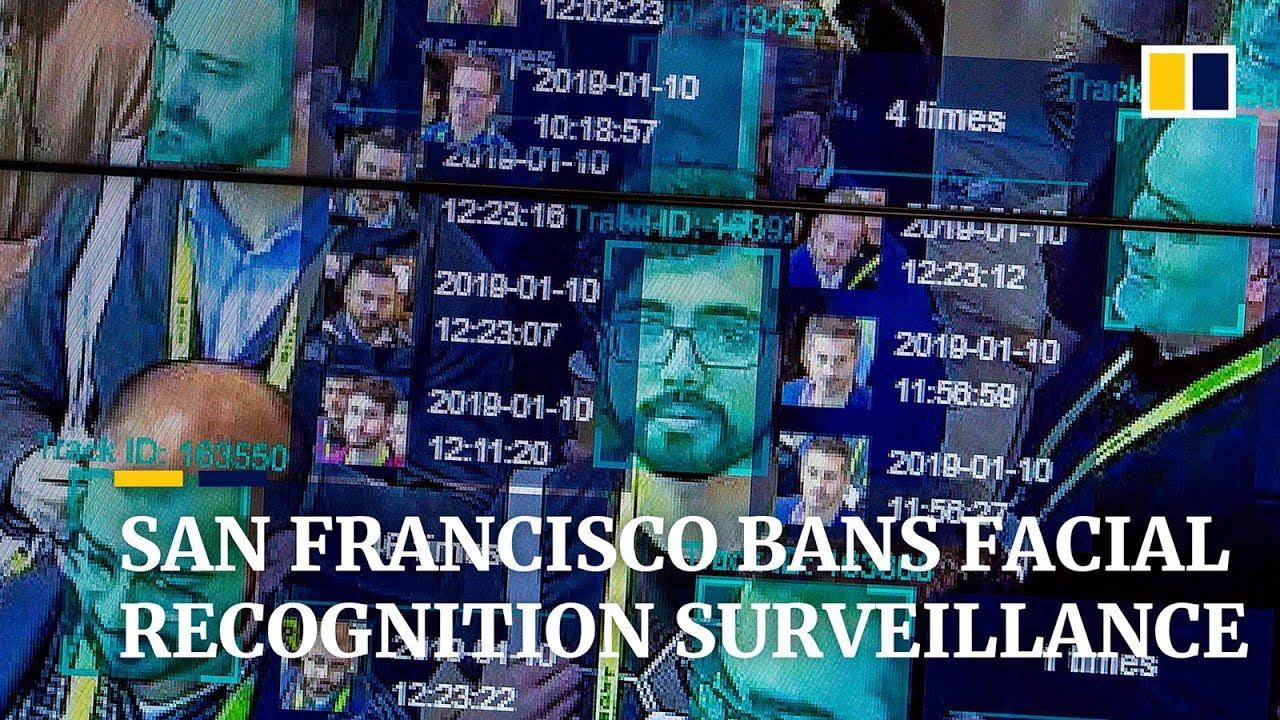
San Francisco has made history by becoming the first city in the United States to prohibit the use of facial recognition technology by government agencies. In a landmark move addressing growing concerns over privacy and civil liberties, the city’s legislative body unanimously approved the ban, setting a precedent for municipalities nationwide. This decisive action highlights the increasing scrutiny of surveillance tools and raises important questions about the balance between security and individual rights in the digital age.
San Francisco Pioneers Governmental Ban on Facial Recognition Technology
In a landmark move, San Francisco has officially prohibited all city agencies from employing facial recognition technology, citing concerns over privacy violations and potential misuse. The ban, spearheaded by civil rights advocates and supported by local legislators, marks a pivotal moment in the ongoing debate surrounding the ethical implications of biometric surveillance. City officials emphasized that the technology’s propensity for inaccuracies—especially among minorities and women—could exacerbate existing biases within law enforcement practices.
The legislation specifically restricts the use of facial recognition systems in:
- Police departments and public safety agencies
- Public transportation surveillance
- City-funded social services and housing programs
| Key Concerns | Impact on San Francisco |
|---|---|
| Racial Bias in Algorithms | Mitigates risk of wrongful arrests |
| Privacy Infringement | Protects citizens’ anonymous public presence |
| Lack of Transparency | Ensures accountable technology governance |
Privacy Advocates Applaud Move Amid Growing Surveillance Concerns
Privacy advocates have hailed San Francisco’s groundbreaking decision as a major victory in the fight against unchecked government surveillance. Activists emphasize that this ban prioritizes the protection of civil liberties and personal freedoms, setting a benchmark for other cities grappling with similar ethical dilemmas. Many fear that facial recognition technology, if left unregulated, could lead to widespread abuses, discriminatory practices, and a chilling effect on public dissent.
Key concerns highlighted by experts include:
- Potential for racial and gender bias embedded in recognition algorithms
- Risk of mass surveillance infringing on individuals’ right to privacy
- Lack of transparency and accountability regarding data storage and usage
| Stakeholder | Position | Impact |
|---|---|---|
| Privacy Groups | Support | Enhanced data protection |
| Law Enforcement | Oppose | Limitations on investigative tools |
| Citizens | Mixed | Debate on safety vs. privacy |
Potential Impacts on Law Enforcement and Public Safety Explored
The prohibition on facial recognition technology in San Francisco introduces significant challenges and opportunities for local law enforcement agencies. While officials may face setbacks in rapidly identifying suspects or locating missing persons, advocates argue that this move curbs unchecked surveillance and protects citizens’ privacy rights. Law enforcement agencies might need to invest in alternative investigative tools, such as enhanced community policing and advanced forensic techniques, to maintain public safety without relying on biometric data.
Key considerations emerging from this ban include:
- Potential delays in solving crimes due to lack of automated suspect identification
- Reduction in the risk of algorithmic bias disproportionately affecting minority communities
- Shift towards stronger transparency and public accountability in surveillance practices
- Increased emphasis on manual investigative work and human oversight
| Aspect | Pre-Ban | Post-Ban |
|---|---|---|
| Suspect Identification Speed | High (Automated) | Moderate (Manual/Alternative) |
| Privacy Risk | Elevated | Reduced |
| Public Trust | Varied | Potential Increase |
| Operational Costs | Lower (Tech-Dependent) | Potentially Higher (Labor-Intensive) |
Experts Recommend Stronger Regulations and Transparency Measures Nationwide
In light of San Francisco’s groundbreaking decision, experts across the nation are urging for comprehensive policies to regulate the use of facial recognition technologies. They emphasize that without stringent controls, these systems pose significant risks to privacy rights, potentially leading to unauthorized surveillance and discrimination. Advocates insist that transparency mechanisms must be embedded at every stage—from data collection to algorithmic decision-making—to ensure accountability and public trust.
Leading voices in technology and civil rights have proposed key measures to guide policy implementation, including:
- Mandatory public disclosures of all government agencies using facial recognition
- Independent audits to evaluate accuracy and bias in algorithms
- Clear data retention policies limiting the duration biometric data can be stored
- Community oversight boards to involve citizens in decision-making processes
| Policy Area | Recommended Action |
|---|---|
| Transparency | Public reports on system use and effectiveness |
| Regulation | Federal standards for technology deployment |
| Accountability | Legal recourse for misuse or harm |
| Community Engagement | Inclusive panels to evaluate policies |
Wrapping Up
San Francisco’s decision to become the first U.S. city to ban the use of facial recognition technology by government agencies marks a significant moment in the ongoing debate over privacy and surveillance. As concerns over the potential for misuse and errors continue to grow, the city’s move underscores a broader push for stricter regulations and accountability in the deployment of emerging technologies. This landmark policy may set a precedent for other municipalities grappling with how to balance public safety with civil liberties in the digital age.