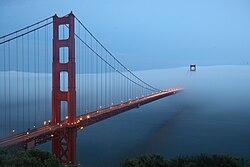
San Francisco’s iconic fog, a natural phenomenon that has long defined the city’s unique climate and skyline, may be disappearing. Recent studies and local observations suggest a noticeable decline in the frequency and density of the fog that rolls in from the Pacific Ocean, raising questions about the underlying causes and potential environmental impacts. As residents and visitors alike have come to associate the cool, misty shroud with the Bay Area’s identity, scientists are now investigating whether changing atmospheric conditions linked to climate change are behind this unsettling shift. This article explores the evidence, expert insights, and what the future might hold for San Francisco’s famous fog.
San Francisco’s Fog Patterns Show Signs of Long-Term Decline
Data collected over the past four decades reveals a noticeable reduction in the frequency and density of the iconic coastal fog blanketing San Francisco. Scientists attribute these changes to shifts in atmospheric and oceanic conditions, particularly rising temperatures along the California coast and altered wind patterns. The decrease not only affects the city’s signature landscape but also its microclimate, which has historically moderated summer heat and sustained local ecosystems.
- Fog Cover Decline: Up to 30% less fog observed during peak summer months.
- Temperature Increase: Average coastal temperatures have risen by 1.5°F over 40 years.
- Wind Pattern Shifts: Reduced northwest winds that typically pull marine air inland.
Environmental experts warn that continued fog reduction could disrupt native plant and animal life adapted to these moist conditions. Urban planners are also examining how less fog might influence energy consumption, as residents may rely more on air conditioning during hotter, drier summers. Although some view the fog’s decline as a loss of natural heritage, others see it as a signal demanding urgent climate action.
| Year Range | Average Fog Days/Month | Summer Temperature (°F) |
|---|---|---|
| 1980-1990 | 15 | 65 |
| 2000-2010 | 12 | 66.8 |
| 2015-2023 | 10 | 66.5 |
Environmental Factors Contributing to the Diminishing Fog
Several climatic and urban variables are influencing the steady decline in the iconic coastal mist. Rising sea surface temperatures in the Pacific Ocean disrupt the delicate balance that fuels the phenomenon, weakening the cold air currents essential for fog formation. Additionally, changes in wind patterns—once reliable conveyors of cool coastal air—now shift due to broader atmospheric disturbances, further diminishing fog density. Experts also point to the increasing urban heat island effect caused by San Francisco’s expanding infrastructure, which elevates local temperatures and disrupts the natural cooling process that typically encourages fog.
- Ocean warming reducing temperature gradients
- Altered prevailing wind directions and speed
- Expansion of urban areas increasing localized heat
- Decreased moisture levels near shorelines
| Environmental Factor | Impact on Fog | Recent Trend |
|---|---|---|
| Sea Surface Temperature | Warmer waters reduce fog formation | +1.8°F since 2000 |
| Wind Patterns | Less consistent onshore flow | Variable shifts observed |
| Urban Heat Islands | Localized warming slows fog cooling | Steady increase with development |
Implications for Local Ecosystems and Urban Climate
The decline of San Francisco’s iconic fog could disrupt delicate local ecosystems that have adapted to the cool, moist conditions it provides. Coastal vegetation, including the unique cypress and eucalyptus groves, relies heavily on the consistent fog drip to survive the dry summer months. As fog diminishes, these plants face increased stress, leading to potential shifts in species composition and a rise in invasive plants better suited to hotter, drier conditions. Wildlife dependent on this vegetation and the cooler microclimate, such as amphibians and certain bird species, may also experience habitat loss or be forced to migrate, altering the biodiversity balance.
Beyond ecological impacts, reduced fog cover could intensify the urban heat island effect, contributing to rising temperatures across the city. This shift threatens to increase energy consumption for cooling and exacerbate air pollution problems. Key urban climate changes that may accompany fog reduction include:
- Higher average summer temperatures, stressing vulnerable populations and infrastructure
- Increased water demand, putting pressure on already strained resources
- Altered wind patterns, potentially affecting air quality and ventilation in dense neighborhoods
| Impact Area | Potential Consequences |
|---|---|
| Flora & Fauna | Loss of native species, reduced biodiversity |
| Urban Temperature | Increased heat stress, higher energy use |
| Water Resources | Greater consumption, shortages in dry periods |
| Air Quality | Potential stagnation, elevated pollution levels |
Strategies for Monitoring and Addressing Fog Changes in the Bay Area
Efforts to keep track of shifts in the Bay Area’s iconic fog involve a combination of advanced technology and community engagement. Meteorologists have ramped up the use of sophisticated radar systems and satellite imaging to capture detailed fog patterns, enabling more precise forecasting than ever before. These tools help in assessing both the density and frequency of fog events, offering crucial data for urban planners and environmental agencies. In addition, localized weather stations scattered throughout the Bay Area provide real-time updates, helping to monitor microclimate changes which static regional models might overlook.
Engaging the public has proven equally important in addressing fog variability. Local organizations encourage residents to participate in citizen science projects by reporting fog presence and visibility conditions through dedicated apps. This grassroots data collection supplements official records, allowing scientists to cross-verify and enrich their datasets. Key strategies also include:
- Collaborative Research Initiatives between universities and weather agencies to study fog behavior trends over decades
- Public Awareness Campaigns on how shifting fog patterns influence ecosystems and urban life
- Adaptive Infrastructure Planning that takes into account potential fog decline effects on transportation and energy use
| Monitoring Method | Purpose | Impact on Fog Studies |
|---|---|---|
| Satellite Imaging | Large-scale fog coverage | Improved prediction accuracy |
| Radar Systems | Fog density and movement | Real-time tracking |
| Citizen Reports | Localized visibility data | Enhanced microclimate insights |
Closing Remarks
As rising global temperatures continue to alter weather patterns, the future of San Francisco’s iconic fog remains uncertain. Scientists caution that while a permanent disappearance is unlikely in the near term, shifts in frequency and density could reshape the city’s climate and ecosystem. For now, residents and visitors alike may want to cherish the mysterious, rolling fog while it lingers—a natural phenomenon that has long defined San Francisco’s unique atmosphere.