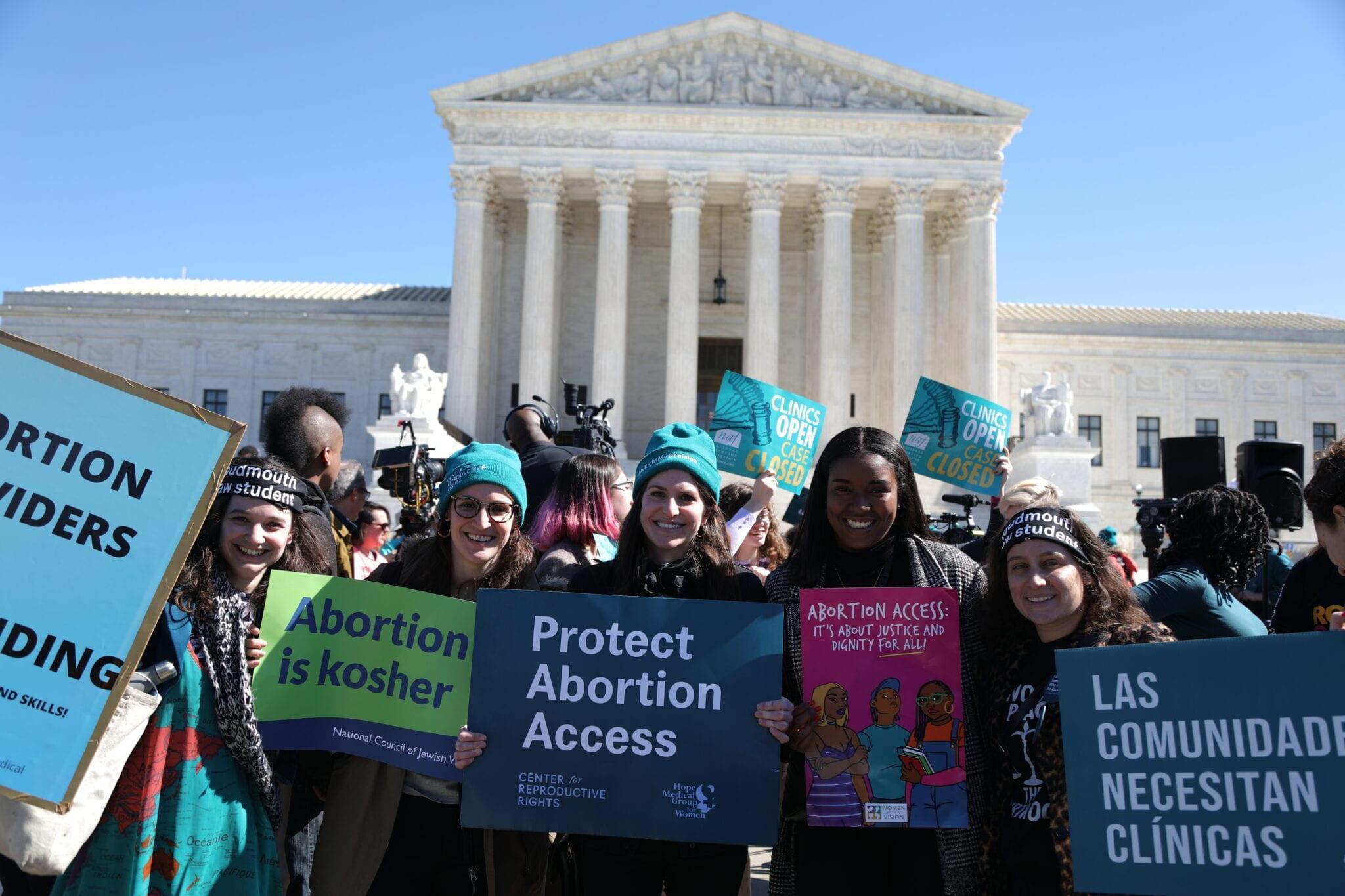
Tracing the Evolution of Reproductive Rights in the United States: Legal Milestones and Contemporary Challenges
Reproductive rights have persistently been a central theme in American social and political discourse, influencing millions of lives while embodying broader conflicts over personal liberty, gender equity, and healthcare accessibility. From transformative Supreme Court rulings to grassroots mobilization, the history of reproductive autonomy in the U.S. is marked by a dynamic and multifaceted progression. This article explores significant legal landmarks and pivotal moments that have shaped reproductive freedoms, highlighting their ongoing impact on legislation and societal conversations today.
Foundations of Reproductive Privacy: Early Legal Victories and Their Lasting Influence
The initial strides toward reproductive rights in the United States were forged through landmark judicial decisions that established critical protections and set precedents for future advocacy. A seminal case, Griswold v. Connecticut (1965), recognized a constitutional right to privacy for married couples using contraception, invalidating a state law that prohibited contraceptive use. This ruling was groundbreaking in affirming that intimate reproductive choices fall under the protection of personal privacy, free from governmental intrusion.
Building on this foundation, Eisenstadt v. Baird (1972) extended contraceptive rights to unmarried individuals, broadening the scope of reproductive autonomy beyond marital status. These rulings collectively catalyzed a shift in legal thought, embedding the right to privacy as a cornerstone in reproductive healthcare debates.
- Privacy as a Constitutional Principle: These cases entrenched the idea that reproductive decisions are protected under the right to privacy, influencing a wide array of related legal challenges.
- Expanded Contraceptive Access: By dismantling restrictive laws, courts facilitated broader availability of birth control, empowering individuals across demographic lines.
- Legal Precedent for Future Advocacy: These early victories laid the groundwork for contesting restrictive abortion laws and other reproductive healthcare regulations in subsequent decades.
| Case | Year | Significance |
|---|---|---|
| Griswold v. Connecticut | 1965 | Affirmed privacy rights for married couples using contraception |
| Eisenstadt v. Baird | 1972 | Extended contraceptive rights to unmarried individuals |
Transformative Supreme Court Decisions and Their Role in Shaping Reproductive Healthcare Access
The trajectory of reproductive rights was profoundly influenced by landmark Supreme Court rulings that defined the legal parameters of abortion and healthcare access. The 1973 decision in Roe v. Wade was a watershed moment, enshrining a woman’s constitutional right to terminate a pregnancy under the umbrella of privacy rights. This ruling established a nationwide standard, dramatically altering the legal landscape.
Two decades later, Planned Parenthood v. Casey (1992) reaffirmed Roe’s core protections but introduced the “undue burden” test, permitting states to impose certain abortion restrictions provided they did not create substantial obstacles for women seeking the procedure. This nuanced standard has since guided judicial review of abortion laws.
More recently, the 2022 Supreme Court decision in Dobbs v. Jackson Women’s Health Organization overturned Roe, returning the authority to regulate abortion to individual states. This ruling has resulted in a fragmented legal environment, with states enacting a spectrum of policies ranging from near-total prohibitions to expanded protections. Other influential cases, such as Whole Woman’s Health v. Hellerstedt (2016), have also played a critical role by invalidating onerous clinic regulations that threatened access to reproductive services.
| Case | Year | Outcome |
|---|---|---|
| Roe v. Wade | 1973 | Legalized abortion nationwide under privacy rights |
| Planned Parenthood v. Casey | 1992 | Established “undue burden” standard for abortion restrictions |
| Whole Woman’s Health v. Hellerstedt | 2016 | Struck down restrictive clinic regulations |
| Dobbs v. Jackson | 2022 | Overturned Roe, devolved abortion regulation to states |
Current Obstacles and the Fragmented Policy Environment
Despite historic rulings that expanded reproductive rights, the present-day landscape is marked by significant challenges and uneven access due to divergent state laws and ongoing judicial battles. Since the Dobbs decision, states have adopted a wide array of abortion policies, creating stark disparities in availability and protections. This patchwork system often reflects regional political ideologies and social attitudes, disproportionately affecting marginalized populations.
Persistent barriers include:
- Limited clinic availability and mandatory waiting periods that delay care
- Targeted regulations on abortion providers and restrictions on medication abortion access
- Disproportionate burdens on low-income individuals and communities of color
| Policy Area | Current Status | Effect |
|---|---|---|
| Parental Consent Laws | Enforced in 37 states | Restricts minors’ access without parental approval |
| Telemedicine Abortion | Restricted in 28 states | Limits access, especially in rural areas |
| Mandatory Ultrasounds | Required in 25 states | Acts as an additional procedural hurdle |
The evolving judicial landscape, influenced by changes in the Supreme Court’s composition and shifting public sentiment, continues to shape the discourse around reproductive autonomy. This contentious arena remains a focal point for debates on bodily integrity, healthcare justice, and civil rights in America.
Strategies to Safeguard and Enhance Reproductive Autonomy
Protecting and advancing reproductive freedoms necessitates comprehensive policy initiatives that prioritize equitable access, education, and healthcare quality. Advocates emphasize the importance of enacting laws that ensure affordable, confidential reproductive services, including contraception and abortion care. Additionally, reforming sexual education to provide accurate, unbiased information is vital for empowering individuals to make informed choices about their reproductive health.
Community involvement is essential in fostering a supportive environment for reproductive rights. Collaboration among grassroots organizations, healthcare professionals, and legal advocates can strengthen networks that assist those impacted by restrictive policies. Recommended approaches include:
- Expanding Medicaid coverage to encompass all reproductive health services, reducing financial barriers.
- Enacting state-level protections that guarantee abortion access irrespective of federal rulings.
- Bolstering legal defense funds to challenge restrictive legislation and defend reproductive rights.
- Promoting inclusive policies that address the unique needs of marginalized and underserved communities.
| Initiative | Anticipated Benefit |
|---|---|
| Affordable Care Act Expansion | Broaden access to reproductive healthcare nationwide |
| Comprehensive Sexual Education Reform | Lower rates of unintended pregnancies through informed decision-making |
| Legal Advocacy Networks | Strengthen defense against restrictive laws via litigation and policy work |
| Community Outreach and Support Programs | Empower vulnerable populations with resources and education |
Conclusion: Navigating the Future of Reproductive Rights in America
The history of reproductive rights in the United States is a testament to the ongoing struggle for autonomy, equality, and healthcare access. Understanding the legal milestones and current challenges is essential for contextualizing today’s debates and shaping future policies. As courts, legislators, and communities continue to engage with this complex issue, staying informed and proactive remains critical to safeguarding reproductive freedoms for all. Monitoring these developments will be vital as America confronts the evolving landscape of reproductive justice.