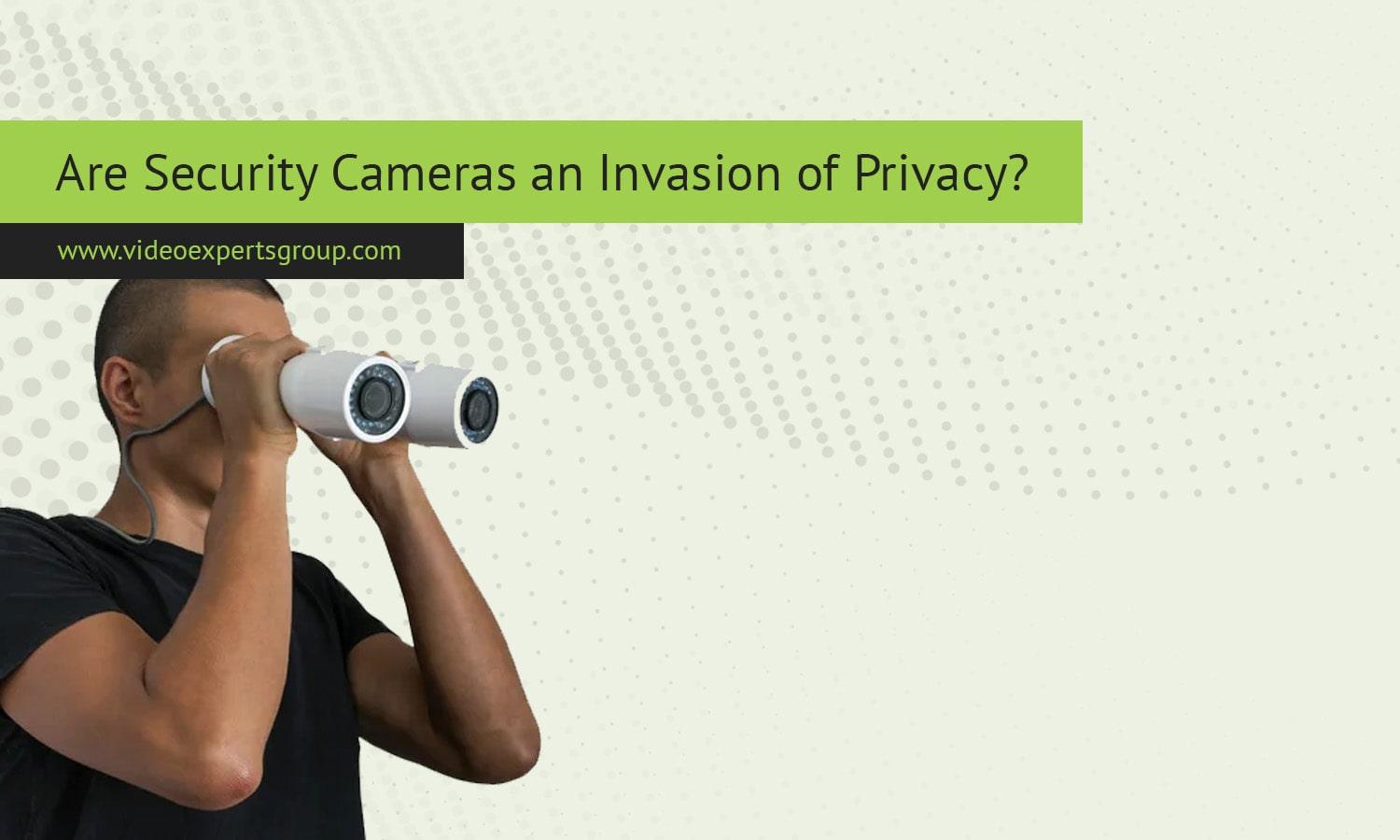
Surveillance Cameras: Navigating the Intersection of Security and Privacy
The Comfort of Being Observed: Psychological Effects of Surveillance
Security cameras evoke a curious psychological response: despite their association with monitoring and intrusion, many people derive a sense of safety from their presence. This reassurance is rooted in an innate desire for protection, where the mere possibility of observation discourages harmful behavior. Research indicates that individuals in camera-monitored environments often experience reduced anxiety and heightened feelings of security, even when footage is not actively watched in real time. This phenomenon explains the widespread acceptance of surveillance technology in public areas.
These devices act as unobtrusive sentinels, fostering a collective sense of responsibility. Their calming influence can be attributed to several factors:
- Visible deterrence: The awareness of cameras discourages potential offenders.
- Community reassurance: Both residents and visitors feel acknowledged and safeguarded.
- Behavioral influence: People tend to behave more conscientiously when they believe they are under observation.
| Element | Psychological Benefit |
|---|---|
| Deterrence | Lower incidence of crime |
| Recognition | Enhanced perception of safety |
| Accountability | Improved social conduct |
Urban Surveillance: Weighing Security Benefits Against Privacy Concerns
The proliferation of surveillance cameras in metropolitan areas has ignited ongoing discussions about the delicate balance between public safety and individual privacy rights. While these systems are credited with reducing crime and assisting law enforcement, their omnipresence can foster feelings of constant scrutiny, raising ethical dilemmas. Many communities now question whether the visible deployment of cameras truly bolsters collective security or simply cultivates an atmosphere of mistrust and intrusion.
Achieving equilibrium demands comprehensive policies emphasizing transparency and accountability. Recommended measures include:
- Defined data retention policies: Limiting storage duration to what is strictly necessary for security purposes.
- Controlled access: Ensuring only authorized personnel can view surveillance footage.
- Community participation: Engaging local residents in decisions about camera locations and operational guidelines.
The table below summarizes the primary advantages and challenges associated with urban surveillance:
| Aspect | Advantages | Drawbacks |
|---|---|---|
| Crime Prevention | Discourages theft and vandalism | Potential displacement of criminal activity |
| Emergency Management | Accelerates incident detection and response | Risk of delays if systems are misused or overloaded |
| Privacy Considerations | Minimal impact with strict regulation | Threat of mass surveillance and profiling |
| Public Confidence | Enhances feelings of security | May erode trust if perceived as invasive |
Emerging Surveillance Technologies and Their Privacy Challenges
Advancements in surveillance technology have transformed how cities and private spaces are monitored, introducing sophisticated tools that offer detailed tracking but also raise significant privacy issues. Innovations such as ultra-high-definition cameras, facial recognition software, AI-driven behavior analysis, and instantaneous data sharing empower authorities and private organizations to monitor activities with unprecedented accuracy. While these technologies enhance security and expedite crime resolution, they also blur the line between necessary oversight and intrusive surveillance.
Concerns extend beyond data security breaches to include:
- Compromised anonymity: Continuous recording risks exposing private moments, diminishing personal boundaries.
- Algorithmic bias: AI systems may unfairly target vulnerable groups, perpetuating social inequalities.
- Commercial exploitation: Surveillance data may be monetized, diverting from original security intentions.
| Technology | Privacy Risks | Security Advantages |
|---|---|---|
| Facial Recognition | Misidentification, profiling concerns | Identifying suspects, locating missing individuals |
| AI-Powered Analytics | Erroneous behavior predictions | Detecting suspicious activities |
| Cloud-Based Storage | Vulnerability to hacking and unauthorized access | Centralized data access and rapid retrieval |
Best Practices for Ethical Surveillance Camera Deployment
To maximize the benefits of security cameras while safeguarding privacy, it is essential to follow ethical guidelines that emphasize respect and transparency. Cameras should be installed in public or communal areas, explicitly avoiding private spaces such as restrooms, bedrooms, or neighboring properties. Informing the public about surveillance presence through clear signage builds trust and discourages misuse. Additionally, access to recorded footage must be strictly limited to authorized individuals to prevent unwarranted monitoring or data leaks.
Implementing formal policies can help ensure responsible use. Key recommendations include:
- Defined objectives: Surveillance should focus solely on crime prevention, safety, and legitimate operational needs.
- Data minimization: Avoid retaining unnecessary footage and enforce prompt deletion according to retention schedules.
- Periodic reviews: Regularly assess camera placement, recording protocols, and data security practices.
- Community engagement: Involve local stakeholders to address concerns and incorporate feedback.
| Area | Guideline |
|---|---|
| Camera Location | Limit to public spaces; exclude private zones |
| Footage Retention | Store recordings no longer than 30 days |
| Access Restrictions | Authorize only credentialed personnel |
| Transparency | Display clear notices about surveillance |
Conclusion: Striving for a Thoughtful Surveillance Framework
As surveillance cameras become increasingly prevalent in both public and private domains, the conversation about their true impact intensifies. These devices undeniably contribute to a heightened sense of security and act as effective crime deterrents. However, they also prompt vital discussions about privacy rights and the extent to which continuous monitoring is acceptable. Finding a sustainable balance between safeguarding communities and preserving individual freedoms is a nuanced challenge that demands ongoing evaluation, transparent governance, and active public engagement. As surveillance technologies continue to evolve, so must our strategies to ensure that security measures do not undermine the fundamental liberties they aim to protect.