

A new New York Times study reveals that Black individuals are charged at higher rates than white counterparts. Researchers explore whether removing racial awareness from prosecutors’ decisions could reduce this disparity.
A new New York Times study reveals that Black individuals are charged at higher rates than white counterparts. Researchers explore whether removing racial awareness from prosecutors’ decisions could reduce this disparity.

The killing of Bob Lee highlights how public perception of crime often diverges from official data. Experts say media coverage and personal experiences shape fear more than statistics, fueling misconceptions.
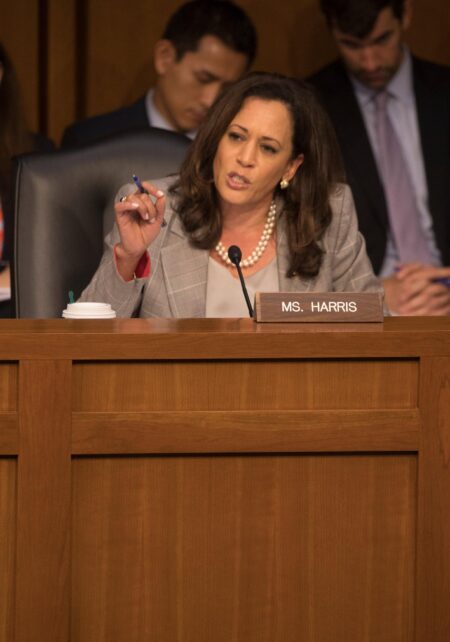
Kamala Harris’ tenure as a prosecutor reveals a complex legacy marked by both tough-on-crime policies and groundbreaking reforms. The Marshall Project dives into the nuances shaping her political rise.

Former President Donald Trump’s proposal to reopen Alcatraz as a prison has sparked debate. Experts question its feasibility, citing high costs, logistical challenges, and legal hurdles surrounding the historic site.
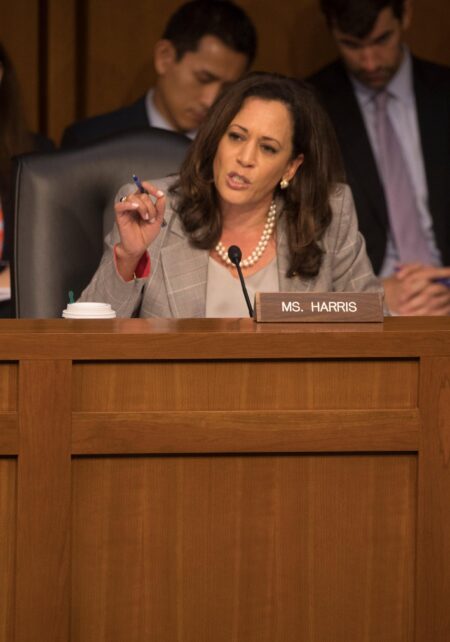
Kamala Harris’s years as a prosecutor reveal a complex legacy, blending tough-on-crime policies with progressive reforms. Her record reflects the challenges of balancing law enforcement with social justice.
San Francisco’s refusal to cooperate with federal immigration authorities on deporting drug dealers highlights tensions between local policies and national law enforcement priorities, sparking debate over public safety and sanctuary city principles.

California’s recent legal shifts and enforcement policies have effectively decriminalized shoplifting, sparking debate over public safety and economic impacts. Critics warn this sets a troubling precedent, according to Hoover Institution analysis.
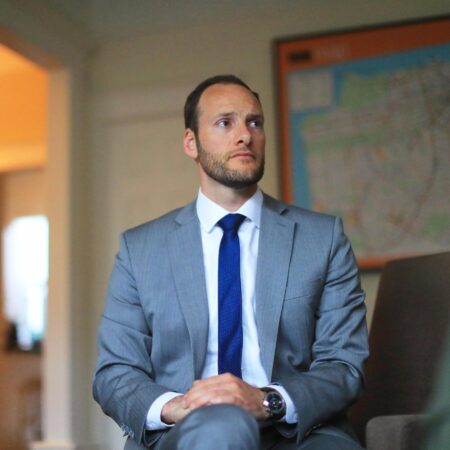
The San Francisco DA recall highlights voter frustration over rising crime and public safety concerns. It signals a shift toward tougher prosecution policies amid debates on justice reform and accountability.