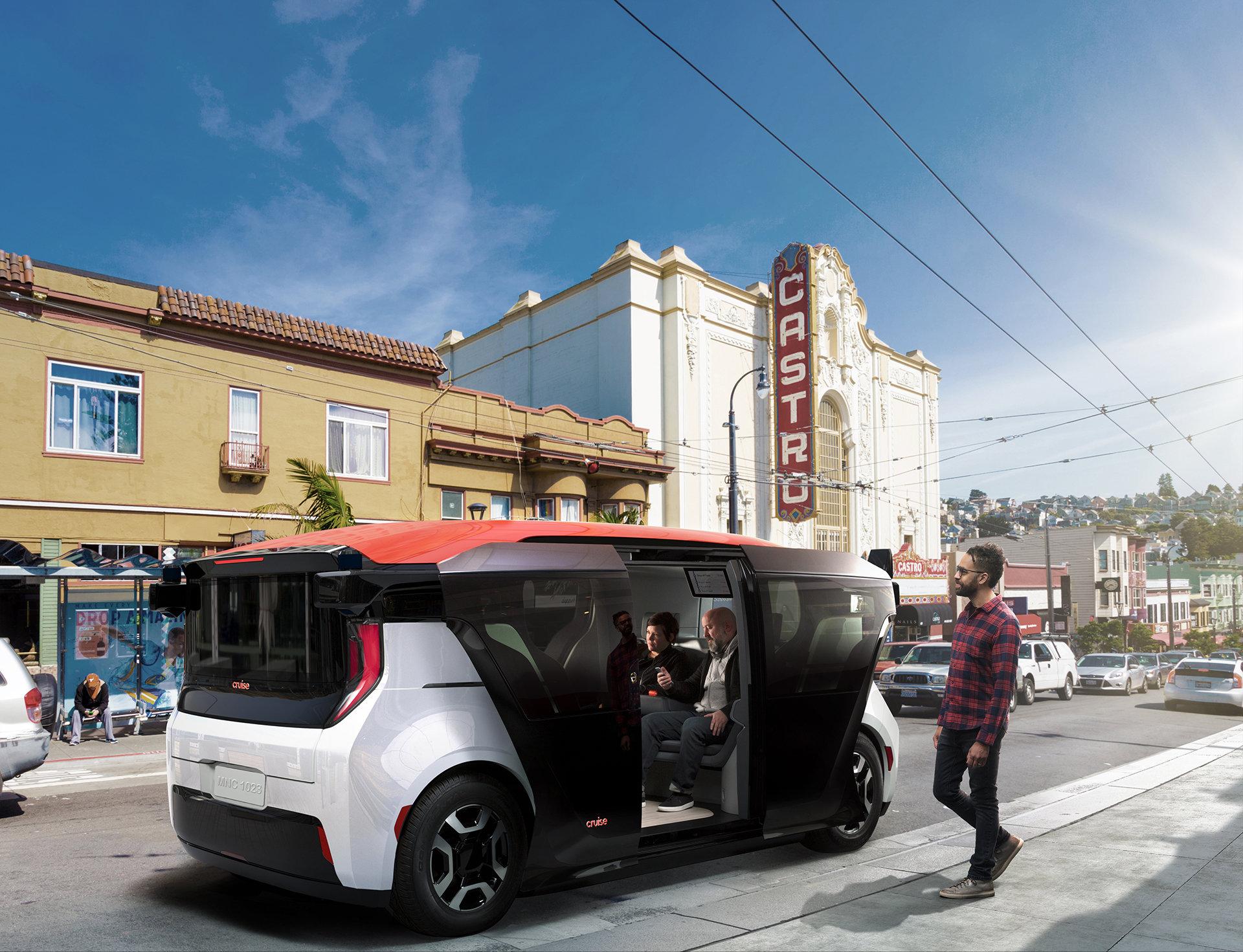
General Motors (GM) has announced it will cease funding its autonomous vehicle subsidiary, Cruise, effectively abandoning its ambitious robotaxi program. The move marks a significant setback for GM’s efforts to lead in the self-driving car industry, as the company grapples with mounting financial and operational challenges within the troubled unit. Sources from CBS News report that this strategic shift underscores the growing difficulties faced by traditional automakers in commercializing autonomous ride-hailing technology.
GM Ceases Financial Support for Cruise Amid Autonomous Vehicle Setbacks
General Motors (GM) has made the definitive decision to halt all financial investment in its autonomous driving subsidiary, Cruise, signaling a dramatic shift in its self-driving ambitions. The move comes after a series of operational challenges and technology setbacks that have hindered Cruise’s progress toward deploying a fully autonomous robotaxi fleet. By withdrawing support, GM effectively ends its experimental foray into commercial driverless ride-hailing services, prioritizing a more cautious approach to innovation in the autonomous vehicle sector.
Industry analysts point to several critical factors behind GM’s recalibration, including increased regulatory scrutiny, elevated costs of scaling autonomous technology, and the ongoing reliability concerns raised by Cruise’s test programs. The move will impact Cruise’s team and ongoing projects, with GM reallocating resources to focus on more promising electrification and mobility initiatives. Key implications of this development include:
- Suspension of Cruise’s robotaxi service plans, affecting urban deployment strategies.
- Reassessment of autonomous technology investments at GM and across the automotive industry.
- Potential redirection of talent and assets toward electric vehicle (EV) and battery innovation.
| Aspect | Impact |
|---|---|
| Funding Status | Terminated effective immediately |
| Operational Focus | Shift to EVs and traditional vehicles |
| Regulatory Challenges | Increasingly stringent safety requirements |
Implications for the Future of Robotaxi Services and Urban Mobility
The decision by GM to cease funding for Cruise signals a pivotal moment in the autonomous vehicle industry, particularly for the robotaxi sector. This move casts doubt on the near-term viability of fully driverless ridesharing services as a commercial enterprise. Investors and industry watchers may now adopt a more cautious approach, scrutinizing the operational, regulatory, and technological hurdles that remain unsolved. Key challenges such as high operational costs, complex safety validations, and regulatory acceptance continue to slow widespread deployment. This pause could accelerate industry consolidation and drive a focus on incremental advances rather than full autonomy.
- Increased focus on hybrid models: combining human oversight with autonomous systems.
- Shift to lower-risk environments: deployment in controlled or geofenced zones.
- Heightened collaboration: between automakers, tech firms, and municipalities for integrated urban planning.
Urban mobility strategies might need to recalibrate in response to this development. Without robotaxis as an immediate disruptor, cities may lean more on enhancing traditional public transit and encouraging multimodal transportation networks. However, the long-term vision for smart cities still envisions autonomous vehicles playing a role, perhaps as part of integrated fleets that include shuttles, delivery bots, and micro-mobility solutions. The landscape ahead will likely be defined by gradual integration and adaptive regulation, ensuring that autonomous technology complements, rather than completely replaces, existing systems.
| Aspect | Current Outlook | Future Considerations |
|---|---|---|
| Investment Climate | Cautious and selective | Focus on scalable, profitable models |
| Regulatory Landscape | Evolving, fragmented | Greater harmonization needed |
| Technology Development | Incremental progress | Enhanced AI and sensor fusion |
Analysis of Cruise’s Challenges and Strategic Missteps in Autonomous Driving
Cruise’s journey in the autonomous vehicle market has been marred by several critical miscalculations and operational hurdles. Despite significant backing from General Motors, the unit struggled with escalating costs, delayed timelines, and regulatory challenges that stymied its rollout ambitions. These issues were compounded by technology reliability concerns and stiff competition from both legacy automakers and tech startups aggressively advancing in the robotaxi space. The culmination of these challenges led GM to reassess its financial commitment, ultimately concluding that continued investment no longer aligned with its strategic priorities.
Several key factors contributed to Cruise’s setbacks:
- Overestimated Market Readiness: The consumer and regulatory acceptance of driverless technology progressed slower than anticipated, undermining fleet deployment plans.
- Technical Complexities: Persistent difficulties in achieving safe, reliable, and scalable autonomous systems resulted in costly delays.
- High Operational Costs: Maintaining and testing robotaxi fleets under stringent safety standards proved financially unsustainable.
- Strategic Misalignment: A disconnect between GM’s core automotive business objectives and Cruise’s experimental nature limited synergy and resource sharing.
| Challenge | Impact | Outcome |
|---|---|---|
| Regulatory Hurdles | Delayed deployment timeline | Extended testing phase |
| Technological Reliability | Increased R&D expenses | Reduced investor confidence |
| Market Adoption | Slow user base growth | Limited revenue generation |
Recommendations for Investors and Stakeholders Navigating the Evolving AV Market
Stakeholders should diversify their portfolios beyond traditional autonomous vehicle ventures, especially given Cruise’s recent funding pullback and strategic retreat from the robotaxi model. Investors are encouraged to assess emerging mobility technologies such as advanced driver-assistance systems (ADAS), electric vehicle integrations, and smart infrastructure collaborations that promise incremental innovation with potentially lower risk profiles. Monitoring regulatory shifts and urban planning trends will also provide critical insight into new market opportunities as the AV landscape recalibrates.
Furthermore, collaboration with agile startups and cross-industry alliances may offer a strategic advantage in adapting to market volatility. Below is a snapshot of key areas where investment adaptability is paramount:
| Focus Area | Investment Tip | Potential Impact |
|---|---|---|
| Alternative Mobility Solutions | Explore micromobility and shared EV ecosystems | Broaden user base & enhance urban access |
| Regulatory Compliance & Safety Tech | Invest in compliance-focused innovation | Accelerate market readiness and adoption |
| Data Analytics & AI | Capitalize on AI-driven vehicle optimization | Improve efficiency & reduce operational costs |
Closing Remarks
As General Motors steps back from funding Cruise and abandons its robotaxi ambitions, the move signals a significant shift in the autonomous vehicle landscape. The decision underscores the challenges facing self-driving technology companies, as well as the financial and strategic recalibrations underway within the automotive industry. Stakeholders will be watching closely to see how both GM and Cruise navigate the evolving market dynamics in the months ahead.