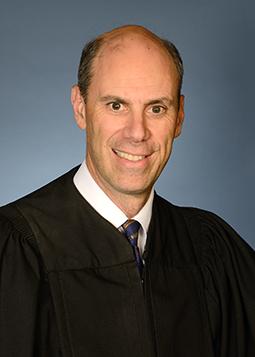
Federal Court Halts Deployment of Military Personnel in California Crime Control Efforts
A recent ruling by a U.S. federal judge has prohibited the use of federal military forces to assist local law enforcement in California’s crime reduction initiatives. This injunction represents a pivotal judicial intervention, curbing the Trump administration’s attempts to integrate federal troops into civilian policing roles within the state. The decision highlights the ongoing friction between federal authority and state autonomy, particularly regarding the militarization of public safety operations.
Key aspects emphasized by the ruling include:
- Jurisdictional limits: Defining the separation of powers between federal and state law enforcement responsibilities.
- Community concerns: Addressing the risks associated with introducing military forces into civilian environments.
- Legal precedent: Setting a benchmark that may influence future federal interventions in other states grappling with crime.
| Issue | Federal Stance | Judicial Decision |
|---|---|---|
| Purpose of Deployment | Support local crime control efforts | Prohibition on troop involvement |
| Constitutional Considerations | Federal intervention authority | Upholding state sovereignty |
| Effect on Citizens | Increased federal military presence | Protection of civil rights |
Constitutional Foundations for Restricting Military Involvement in State Law Enforcement
The court’s injunction is firmly grounded in constitutional law, particularly invoking the 10th Amendment, which safeguards state authority over local law enforcement matters against excessive federal intrusion. The judge emphasized that deploying federal troops for everyday crime control exceeds the scope of the Insurrection Act, which is traditionally reserved for extraordinary circumstances such as insurrections or when state governments fail to maintain order.
Legal analysts also reference several statutes and precedents that caution against the military’s role in civilian policing due to potential infringements on civil liberties and the dangers of militarizing public safety. The ruling draws upon a legal framework that includes:
- Posse Comitatus Act: Limits the use of the U.S. military in domestic law enforcement without explicit congressional consent.
- Federalism Doctrine: Maintains the balance of power between federal and state governments.
- Judicial Checks: Acts as a safeguard against executive overreach in law enforcement matters.
| Legal Principle | Function | Effect |
|---|---|---|
| 10th Amendment | Protects state governance | Restricts federal law enforcement intrusion |
| Insurrection Act | Authorizes military in insurrections | Limits use for routine crime control |
| Posse Comitatus Act | Prohibits military policing roles | Preserves civil freedoms |
Effects on Federal-State Relations and Crime Prevention Policies
This judicial decision reinforces the principle of state sovereignty amid ongoing debates about federal involvement in local law enforcement. By barring the deployment of federal troops in California’s crime-fighting efforts, the ruling highlights the sensitive balance of power between national and state governments. California officials have expressed concerns that federal military presence could erode local authority and diminish public trust in law enforcement agencies.
Strategically, the ruling encourages a reassessment of crime-fighting tactics, promoting cooperative models over unilateral federal action. Emphasis is likely to shift toward joint task forces and enhanced information exchange between federal and state agencies. Important considerations for future collaboration include:
- Respecting jurisdictional boundaries to avoid conflicts and ensure efficient law enforcement.
- Allocating resources toward community policing and preventive measures.
- Implementing legal protections that safeguard civil liberties while fostering interagency cooperation.
| Area | Federal Role | State Role |
|---|---|---|
| Law Enforcement | Provide specialized assistance | Lead local policing efforts |
| Crime Prevention | Offer funding and training | Execute community-based programs |
| Legal Authority | Enforce federal statutes | Administer state laws and protections |
Strategies for Enhancing Collaborative Public Safety Efforts
Addressing public safety challenges effectively demands a comprehensive approach that leverages the strengths of local communities, law enforcement, and federal resources without overdependence on any single entity. Successful collaboration hinges on fostering community involvement and building trust between residents and police through transparent dialogue and accountability.
Strengthening local crime prevention programs and investing in supportive social services—such as mental health care, youth engagement initiatives, and substance abuse treatment—are critical to reducing crime before it escalates. Coordination across government levels should clearly define roles to prevent jurisdictional disputes and uphold local governance.
| Focus Area | Recommended Actions |
|---|---|
| Community Policing | Host regular community forums; train officers in cultural awareness and de-escalation techniques |
| Federal Assistance | Provide targeted support upon state request, respecting local laws and autonomy |
| Data Integration | Develop shared platforms for crime data analysis and resource coordination |
| Social Support Services | Expand access to housing, addiction recovery, and employment programs |
Conclusion: A Legal Setback for Federal Military Involvement in California Crime Control
The injunction delivered by the federal court represents a notable legal obstacle to former President Trump’s initiative to deploy federal troops in California’s crime-fighting efforts. This ruling accentuates the persistent tension between federal authority and state governance regarding the appropriate use of military forces in domestic law enforcement. California officials have welcomed the decision, emphasizing the importance of preserving state sovereignty and prioritizing community-centered public safety strategies. This development is poised to influence future debates on the boundaries of federal intervention in state criminal justice matters.