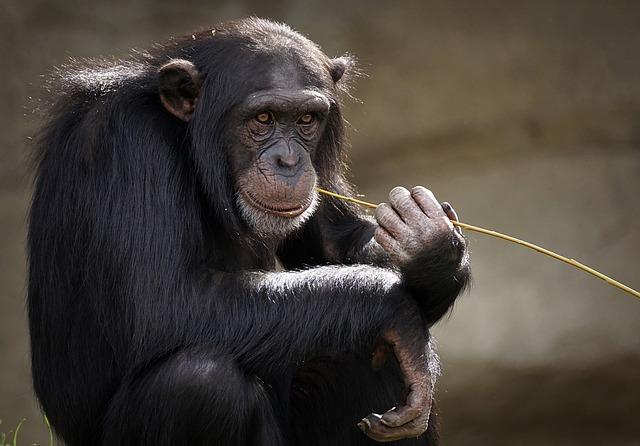
Remembering Cobby: The Longest-Lived Male Chimpanzee in the United States
At the age of 63, Cobby, the United States’ oldest male chimpanzee, has passed away at the San Francisco Zoo. Renowned for his extraordinary lifespan and calm nature, Cobby was a cherished figure who enchanted zoo visitors and caretakers for over six decades. His departure not only closes a significant chapter in the zoo’s primate history but also underscores the vital advancements in animal care and conservation efforts.
Honoring Cobby’s Remarkable Life and Contributions
Cobby’s longevity far exceeded the average lifespan of chimpanzees in captivity, which typically ranges between 40 and 50 years. His extended life was a powerful indicator of both the species’ resilience and the exceptional care provided by the San Francisco Zoo’s dedicated team. Throughout his life, Cobby became a living case study for understanding the aging process in chimpanzees, helping researchers and animal care professionals develop better welfare protocols for senior primates.
- Notable Milestones: Marked his 50th birthday with a widely celebrated event at the zoo
- Living Environment: Resided in the acclaimed African Savanna habitat, designed to mimic natural conditions
- Scientific Impact: Played a key role in studies focused on enrichment techniques for elderly primates
- Visitor Engagement: Known for his gentle intelligence, captivating countless guests over the years
| Year | Event | Importance |
|---|---|---|
| 1960 | Joined San Francisco Zoo | Beginning of his life in human care |
| 2010 | Celebrated 50th Birthday | Recognized as the oldest male chimpanzee in the nation |
| 2024 | Passed Away at 63 | Marked the conclusion of a significant primate legacy |
Innovative Care Practices for Aging Primates at the San Francisco Zoo
The San Francisco Zoo has been at the forefront of specialized care for its senior primates, with Cobby’s life serving as a testament to these efforts. A collaborative team of veterinarians, nutritionists, and behavioral experts work together to create individualized care plans that enhance the health and comfort of aging animals. These plans include diets rich in antioxidants and joint-supporting nutrients, alongside environments that encourage gentle exercise and mental engagement.
Core components of the zoo’s elder primate care include:
- Routine health screenings aimed at early identification of age-related ailments
- Habitat adjustments to support mobility and reduce injury risk
- Customized enrichment activities to foster cognitive vitality and social interaction
- Ongoing assessment of dietary needs and hydration to maintain optimal health
| Primate | Age at Last Evaluation | Health Focus | Conservation Status |
|---|---|---|---|
| Cobby (Chimpanzee) | 63 | Arthritis management, cognitive support | Endangered |
| Luna (Orangutan) | 52 | Cardiovascular health | Critically Endangered |
| Max (Gorilla) | 48 | Joint care | Endangered |
Beyond individualized care, the zoo actively engages in global conservation initiatives aimed at safeguarding wild primate populations. These efforts encompass genetic research to maintain species diversity and collaborations with international organizations to combat poaching and habitat loss. By integrating compassionate care with scientific research, the San Francisco Zoo honors Cobby’s legacy while striving to secure a sustainable future for primates worldwide.
How Cobby’s Passing Amplifies Chimpanzee Conservation Efforts
The loss of Cobby has reignited public awareness about the challenges facing chimpanzees globally. His extraordinary life story has been instrumental in highlighting both the strength and fragility of his species. Conservation organizations have utilized his legacy to advocate for urgent measures such as habitat protection, anti-poaching enforcement, and improved captive care standards. Educational outreach inspired by Cobby’s journey emphasizes chimpanzees’ complex behaviors and their essential role in maintaining ecological balance.
Following his death, several conservation initiatives have gained traction:
- Boosted funding for preserving critical chimpanzee habitats across Africa
- Expanded educational programs in zoos nationwide, focusing on species conservation
- Stronger legislative efforts to enhance wildlife trafficking laws
| Effect | Description |
|---|---|
| Public Engagement | Significant rise in social media discussions about chimpanzee protection |
| Donor Support | 30% increase in donations to leading primate conservation organizations |
| Policy Development | Introduction of new bills targeting stricter anti-trafficking measures |
Best Practices for Enhancing the Welfare of Senior Wildlife in Captivity
Ensuring the health and happiness of aging animals like Cobby requires zoos and sanctuaries to implement comprehensive, individualized care plans. Nutrition tailored to address age-related health issues, including supplements for joint and cognitive support, is essential. Regular veterinary assessments focusing on mobility, dental health, and chronic disease management help prolong life quality. Creating habitats that mimic natural environments and provide mental stimulation can alleviate stress and slow cognitive decline.
Physical adaptations to enclosures are also critical for elder animals’ comfort and safety. Recommended modifications include:
- Non-slip flooring to minimize fall risks
- Lowered or expanded resting spaces for easier access
- Gentle enrichment activities that encourage movement without causing fatigue
- Quiet zones separated from younger, more active animals to reduce stress
| Care Component | Suggested Approach |
|---|---|
| Diet | Personalized nutrition plans with targeted supplements |
| Health Monitoring | Frequent, age-specific medical evaluations |
| Habitat | Accessible, enriched, and low-stress environments |
| Enrichment | Moderate cognitive and physical stimulation activities |
Looking Ahead: Continuing Cobby’s Enduring Influence
Cobby’s passing signifies the conclusion of a remarkable era at the San Francisco Zoo, where he stood as a symbol of longevity and compassionate animal care. His extraordinary lifespan and role in educating the public about chimpanzees will leave a lasting impression on both zoo personnel and visitors. As the community commemorates his legacy, there is renewed commitment to advancing wildlife conservation and enhancing the quality of life for animals in captivity.