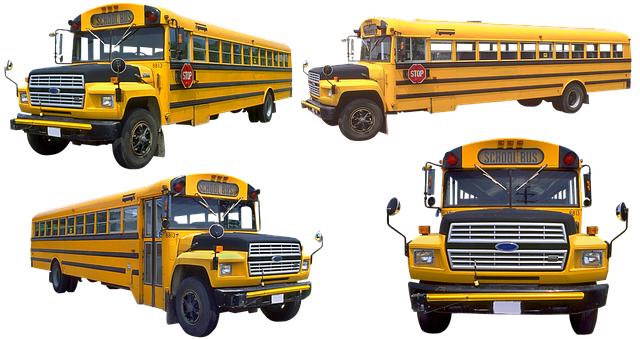
San Francisco Unveils Nation’s Largest Electric School Bus Fleet in Partnership with Zum
In a pioneering effort to revolutionize student transportation, Zum has teamed up with the San Francisco Unified School District (SFUSD) to launch the largest electric school bus fleet in the United States. This initiative replaces conventional diesel buses with fully electric, zero-emission vehicles, aiming to drastically cut greenhouse gas emissions and enhance air quality for students and local communities. The fleet features cutting-edge technology designed to boost safety, operational efficiency, and environmental stewardship.
Highlights of the Electric Bus Deployment
- Zero Emissions Operation: Eliminates tailpipe pollutants, contributing to cleaner urban air.
- Integrated Charging Systems: Advanced infrastructure supports seamless bus charging across multiple SFUSD locations.
- Enhanced Rider Comfort: Quieter rides with no exposure to diesel exhaust improve the student experience.
- Expandable Model: The platform is designed for replication in other school districts nationwide.
| Feature | Advantage |
|---|---|
| Electric Drivetrain | Zero emissions and lower maintenance expenses |
| Intelligent Routing | Maximizes efficiency in student pick-up and drop-off |
| Driver Safety Systems | Advanced onboard technology enhances operational safety |
| Real-Time Fleet Analytics | Enables proactive management and performance tracking |
Environmental and Economic Advantages Fueling San Francisco’s Electric Bus Expansion
San Francisco’s commitment to expanding its electric school bus fleet aligns with broader environmental goals and operational improvements. By adopting zero-emission buses, the district significantly lowers its carbon footprint, helping to combat urban air pollution and promote healthier communities. This initiative supports California’s ambitious climate targets and demonstrates how urban transit can lead the shift away from fossil fuels. Additionally, electric buses contribute to quieter neighborhoods, reducing noise pollution near schools and residential zones.
From an operational standpoint, electric buses offer substantial cost savings. Their simpler mechanical design results in fewer repairs and longer service intervals compared to diesel buses. Enhanced energy efficiency and reliability extend vehicle lifespans, easing financial pressures on school budgets. Key benefits include:
- Lower Energy Costs: Electricity prices tend to be more stable and often cheaper than diesel fuel.
- Superior Energy Conversion: Electric motors convert a higher percentage of energy into motion.
- Improved Safety Features: Electric buses provide smoother acceleration and more responsive braking.
- Access to Incentives: Federal and state grants help offset initial investment costs.
| Benefit | Impact |
|---|---|
| Carbon Emission Reduction | Up to 70% decrease in CO₂ emissions per vehicle |
| Maintenance Cost Savings | Approximately 40% lower annual servicing expenses |
| Fuel Expense Reduction | Electricity costs can be 60% less than diesel fuel |
Overcoming Obstacles in the Shift to Electric School Buses
Transitioning to a fully electric school bus fleet presents several challenges, primarily related to upfront costs and infrastructure demands. Electric buses typically require a higher initial investment than diesel models. However, SFUSD has successfully utilized a combination of government grants, subsidies, and strategic partnerships with companies like Zum to mitigate these expenses. Upgrading facilities to include charging stations also requires significant planning to ensure adequate power supply and efficient scheduling.
Additional hurdles include:
- Addressing battery range limitations across diverse routes and weather conditions
- Providing specialized training for maintenance personnel on new electric vehicle technologies
- Implementing data-driven fleet management tools to optimize operations
| Challenge | Innovative Approach |
|---|---|
| High Initial Investment | Utilizing bundled financing and government funding programs |
| Charging Infrastructure Needs | Smart scheduling combined with grid-friendly charging solutions |
| Battery Range Constraints | Route planning enhanced by real-time monitoring systems |
Guidance for School Districts Exploring Electric Bus Integration
For districts considering the transition to electric school buses, early and inclusive stakeholder engagement is essential. Collaborating with utility companies, vehicle manufacturers, and community representatives facilitates smoother infrastructure deployment and operational planning. Securing available federal and state incentives can substantially reduce upfront costs, making the switch more financially viable. Equally important is investing in comprehensive training programs for drivers and maintenance teams to ensure safe and effective use of new technologies.
Conducting pilot programs to collect data on environmental impact and cost savings can provide valuable insights to support broader adoption. Below is a comparison of electric buses versus traditional diesel models to aid decision-making:
| Criteria | Electric Buses | Diesel Buses |
|---|---|---|
| Emissions | Zero tailpipe emissions | High levels of pollutants |
| Fuel Costs | Lower and more stable electricity rates | Variable and often rising diesel prices |
| Maintenance | Reduced due to fewer mechanical components | Higher frequency and cost of repairs |
| Vehicle Lifespan | Comparable or longer with battery upgrades | Established but tends to decline over time |
- Plan Infrastructure Thoughtfully: Develop scalable charging solutions tailored to fleet size and route requirements.
- Build Strategic Partnerships: Learn from districts with successful electric bus programs to adopt best practices.
- Engage the Community: Emphasize benefits like improved air quality and noise reduction to gain public support.
Looking Ahead: Setting a New Standard for Sustainable School Transportation
The partnership between Zum and SFUSD represents a landmark achievement in the evolution of eco-friendly student transit. By deploying the nation’s largest electric school bus fleet, this project not only curtails carbon emissions but also establishes a replicable model for school districts across the country. As more municipalities pursue electrification of their school transportation systems, the success of this collaboration underscores the critical role of clean energy technologies in shaping the future of public transit. The ongoing performance and community impact of these electric buses will serve as a valuable benchmark for future sustainability initiatives.